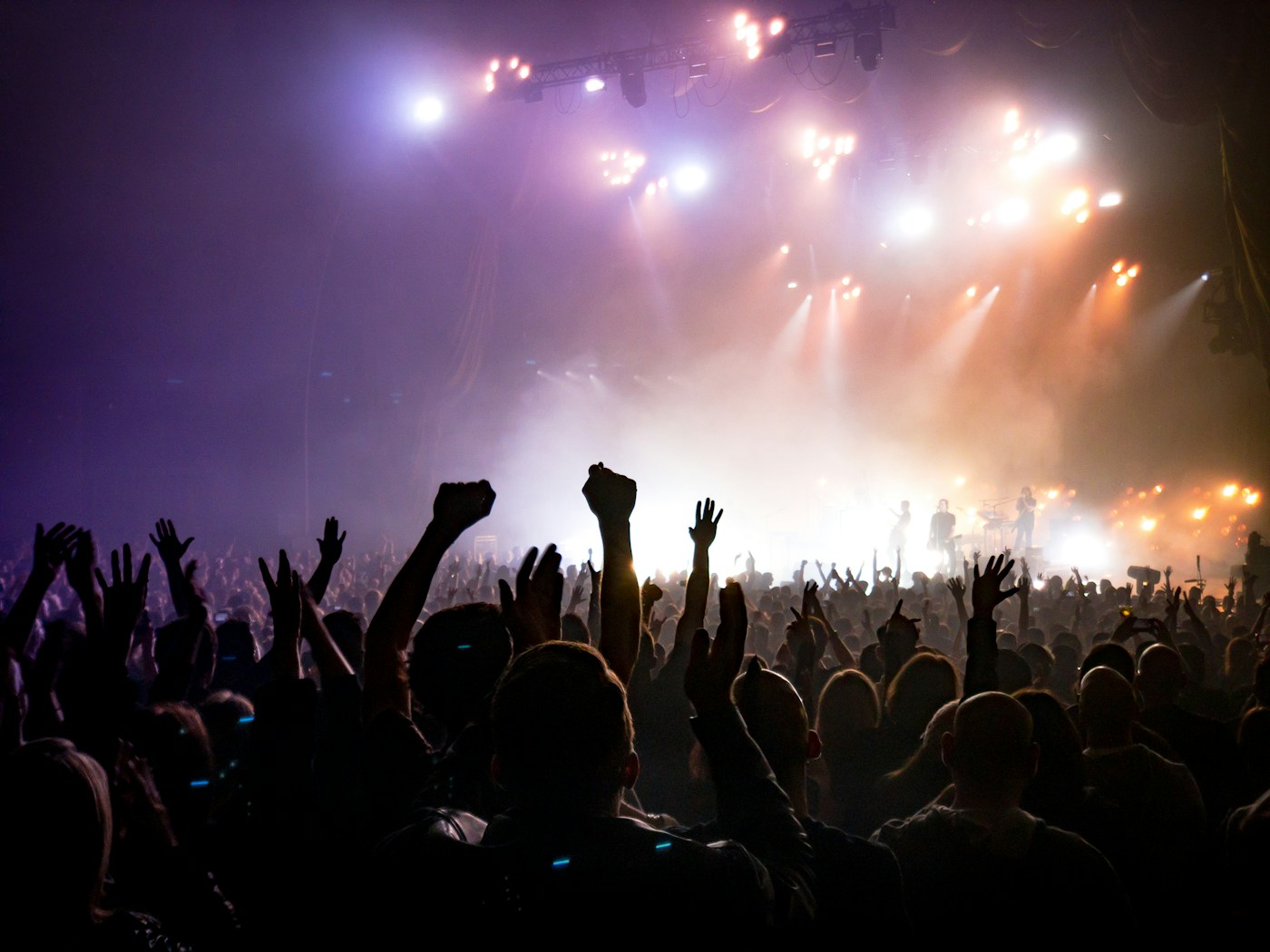
Sónar Barcelona 2026
Three days of advanced music, technology, and creativity — where electronic music meets art, innovation, and the Mediterranean
Everything You Need to Know About Sónar Barcelona 2026
Sónar Festival is unlike any other music festival in the world. Since its founding in Barcelona in 1994, Sónar has positioned itself at the intersection of advanced music, technology, creativity, and art — producing three days that feel simultaneously like a music festival, a tech conference, an art exhibition, and a 72-hour rave.
Held annually in June across two venues — Sónar by Day at the Fira Montjuïc and Sónar by Night at Fira Gran Via — the festival brings together artists who treat electronic music as a form of innovation rather than entertainment alone. Past headliners include Björk, Massive Attack, Flying Lotus, Four Tet, James Blake, Aphex Twin, and Bonobo — a lineup policy that consistently leans toward the experimental.
Sónar by Day combines live performances, DJ sets, workshops, exhibitions, and the SónarDôme immersive space in a sun-drenched Barcelona context. Sónar by Night transforms into an all-night club experience that runs until 8 AM, with stages including SónarClub, SónarHall, SónarLab, and the legendary SónarDôme.
The surrounding Sónar+D conference is one of Europe's most important gatherings on the intersection of creativity and technology — running parallel to the festival and attracting speakers from music, AI, design, and digital culture.
Why Sónar Barcelona 2026?
Sónar by Day
The daytime festival at Fira Montjuïc combines live music, DJ performances, art installations, and the SónarDôme immersive experience. Running from noon to midnight, it's a full cultural experience in the Barcelona sun with the city as a backdrop.
Sónar by Night
The nocturnal beast — a sprawling 8 AM club experience at Fira Gran Via with six simultaneous stages, world-class sound systems, and a crowd that has come specifically to hear music that doesn't exist anywhere else in the mainstream.
SónarDôme
The most acclaimed stage in the festival — a fully immersive 360-degree audiovisual dome that hosts experimental artists, live electronic compositions, and immersive AV performances. SónarDôme queues are always long; worth the wait.
Festival Stages & Venues
Where the magic happens at Sónar Barcelona 2026.
SónarDôme
Experimental · Immersive · AVFira Gran Via / Fira Montjuïc
The crown jewel of Sónar — a geodesic dome with 360-degree projection and a bespoke spatial audio system. SónarDôme hosts the festival's most experimental artists: those using AI-generated music, real-time synthesis, and multi-channel surround compositions. Past performances by Arca, Holly Herndon, and Yves Tumor have been career-defining sets.
Queue early — SónarDôme consistently has the longest wait at the festival. Worth arriving 45 mins before your target show.
SónarClub
Techno · House · ElectronicFira Gran Via
The main dancefloor of Sónar by Night — a 10,000-capacity hall with a production setup that rivals any standalone club night. SónarClub hosts the festival's highest-profile DJ sets and is where the entire crowd migrates for closing headliners.
The SónarClub closing set is usually the festival highlight. Don't leave early.
SónarHall
Live Electronic · ExperimentalFira Montjuïc
Sónar's dedicated live performance stage — the venue where artists bring full band setups, live electronics, and hybrid AV shows. Sónar's unique identity comes partly from SónarHall's commitment to live electronic music rather than DJ culture exclusively.
Check the SónarHall schedule carefully — some of the most interesting artists in the festival play here to smaller audiences.
SónarLab
Ambient · Experimental · CerebralFira Gran Via
The smallest and most adventurous stage at Sónar by Night — dedicated to forward-thinking electronic music that prioritises listening over dancing. SónarLab has hosted Autechre, Pan Daijing, and Peter Rehberg. It's the closest thing to a church for serious electronic music fans.
SónarLab is the best-kept secret of the festival. Tell no one.
CDLC Barcelona
Club · Beach · After-PartyPort Olímpic
A leading Barcelona nightclub on the beachfront that hosts Sónar-adjacent parties throughout the week. CDLC (Carpe Diem Lounge Club) is the go-to for a more glamorous beachside experience between festival days.
Sónar visitors in June means Barcelona clubs run at full capacity. Book table service in advance.
Razzmatazz
Multi-Room · Electronic · RockPoblenou
Barcelona's legendary five-room club is a regular Sónar satellite venue, hosting official and unofficial pre/after-parties. The Loft room has a particularly good reputation for electronic music.
Razzmatazz is walkable from the Sónar by Night venue in Poblenou — it's a natural stop after the main stages close.
Practical Guide
Getting There
Barcelona El Prat Airport (BCN) is one of Europe's best-connected hubs — direct flights from 200+ cities. The Aerobus runs to Plaça Catalunya (€6.50, 35 min) or take the metro (L9 Sud to L3 Drassanes, ~45 min). Both Sónar venues (Fira Montjuïc and Fira Gran Via) are on the Barcelona metro — L3 Espanya for Montjuïc, L9 Europa Fira for Gran Via.
Where to Stay
Eixample or Gothic Quarter are the best base — central, well-connected, and full of bars for pre/post-festival. Poblenou is up-and-coming and closer to Fira Gran Via. Avoid Las Ramblas area (tourist trap, overpriced). For June Sónar dates, book 3–4 months ahead — Barcelona fills up with festival and conference attendees simultaneously.
Budget Reality
Sónar 3-day pass (Day + Night): ~€200–250. Day-only or Night-only passes: ~€100–150 each. Hotels in June: €100–300/night depending on area and category. Barcelona is more affordable than London or Paris for food and drink — budget €30–50/day for eating and drinking well. Total 4-day trip: €600–1,200 per person.
Best Plan
Buy the combined Day + Night pass for all 3 days — the festival experience is designed as a whole. Arrive Thursday, use Friday daytime to explore Gràcia and El Born. Festival runs Thursday evening through Sunday morning. Monday: recover at Barceloneta beach, fly home Tuesday. This is the ideal rhythm for a Sónar trip.
Frequently Asked Questions
When is Sónar Festival Barcelona 2026?▼
Sónar Festival Barcelona 2026 runs June 18–20, 2026. Sónar by Day runs from approximately noon to midnight at Fira Montjuïc. Sónar by Night runs from approximately 10 PM to 8 AM at Fira Gran Via. The combined three-day experience spans Thursday evening through Sunday morning.
What is the difference between Sónar by Day and Sónar by Night?▼
Sónar by Day (at Fira Montjuïc) is an afternoon/evening experience combining live performances, DJ sets, art installations, workshops, and the SónarDôme. It runs in daylight and has a more relaxed, cultural atmosphere. Sónar by Night (at Fira Gran Via) is a full-scale club event running until 8 AM with six stages and a dancefloor focus. Both are included with a combined pass.
What kind of music plays at Sónar?▼
Sónar covers a broad spectrum of advanced electronic music — from underground techno and house to experimental, ambient, AI-generated music, live electronic compositions, and avant-garde performances. Sónar explicitly avoids mainstream EDM and instead focuses on artists at the cutting edge of music technology and creativity. Previous lineups have included Four Tet, Aphex Twin, Floating Points, Arca, Yaeji, James Blake, and Caribou.
Is Sónar worth attending for a first-timer?▼
Sónar is one of the most rewarding music festivals in the world for anyone interested in electronic music beyond the mainstream. It's particularly good for people who find traditional club nights too loud or shallow — Sónar has an intellectual depth that most festivals lack. The city of Barcelona in June makes it genuinely one of the best weeks you can spend in Europe.
How do I get between Sónar by Day and Sónar by Night?▼
The two venues are connected by a free Sónar Shuttle bus that runs throughout the evening transition. Alternatively: Fira Montjuïc (Sónar Day) is on L3 Espanya, and Fira Gran Via (Sónar Night) is on L9 Europa Fira — metro plus a short walk, approximately 20 minutes total. A taxi/Uber costs around €15–20.
What is Sónar+D?▼
Sónar+D is the parallel conference running alongside the festival — a gathering of speakers, workshops, and exhibitions focused on the intersection of creativity, technology, and digital culture. It covers topics like AI music generation, immersive tech, music industry business, and sound design. SónarDôme is the physical manifestation of Sónar+D's themes within the festival itself.
Plan Your Sónar Barcelona 2026 Trip
Live map · Verified events · Ticket links · Hotel deals