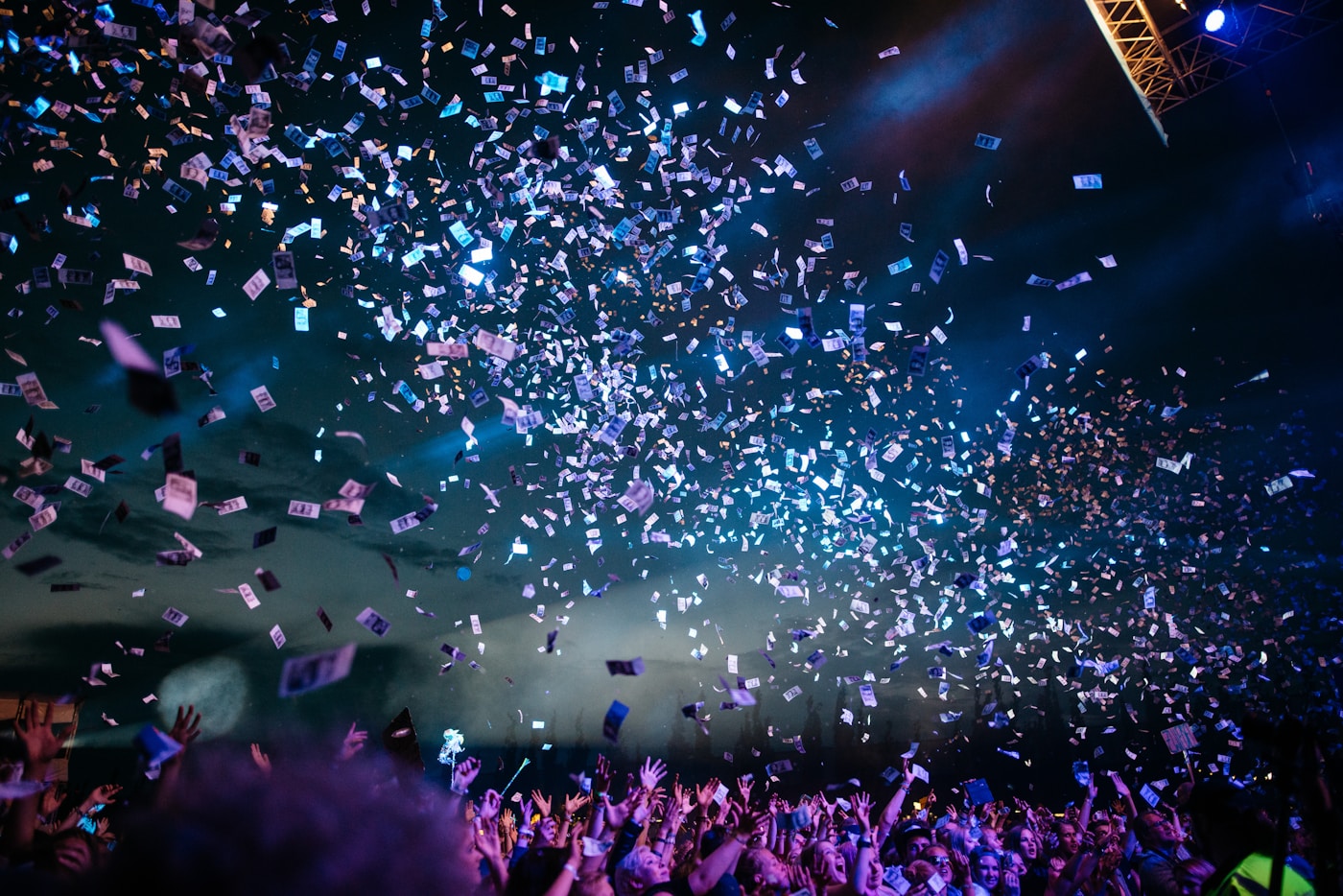
Tomorrowland Belgium 2026
The most spectacular music festival on Earth. A fairy-tale kingdom for 600,000 people over three weekends in the Belgian countryside
Everything You Need to Know About Tomorrowland Belgium 2026
Tomorrowland is not a music festival. It is a fully imagined world — a multi-weekend fantasy kingdom built from scratch in the fields of Boom, Belgium, that attracts 600,000 people across three weekends each July and August and is watched by hundreds of millions online.
Since its founding in 2005 with just 9,000 attendees, Tomorrowland has transformed into the most produced, most watched, and most coveted festival experience in the world. Every year a new theme is chosen and the entire site — stages, bridges, towers, forests, and the iconic Mainstage — is constructed around it. The result is an environment that doesn't look like a field in Belgium. It looks like the set of a fantasy film.
The 2026 edition runs across three consecutive weekends in July and August, with DreamVille — the camping village — providing the full week-long experience for those who book accommodation packages. The festival hosts 1,000+ artists across 14+ stages, with the Mainstage remaining one of the most iconic production spectacles in entertainment.
Tickets for Tomorrowland are among the most difficult to obtain in the world. Standard day tickets sell out within minutes of release. The Global Journey packages (flights + accommodation bundled) and the DreamVille camping packages provide alternative routes to attendance for international visitors.
Why Tomorrowland Belgium 2026?
The Mainstage
A different architectural theme every year — Tomorrowland's Mainstage is the most photographed and most viewed stage in festival history. It is a physical object: a building, a castle, a cathedral. The headliner sets here close each festival day and are streamed live to millions worldwide.
DreamVille
The camping village at Tomorrowland is its own experience — a themed camping area with restaurants, bars, activities, and its own stages that runs 24 hours a day throughout the festival week. Many attendees consider DreamVille as important as the main event.
14+ Stages Simultaneously
Beyond the Mainstage, Tomorrowland runs 14+ simultaneous stages covering every genre of electronic music: from the Freedom Stage (underground techno) to the Garden of Madness, the Cage, the Reflection stages, and numerous brand-curated areas. There is a different festival for every musical taste.
Festival Stages & Venues
Where the magic happens at Tomorrowland Belgium 2026.
The Mainstage
All EDM · Spectacle · HeadlineDe Schorre, Boom
Rebuilt from scratch every year around the festival's theme, the Mainstage is the symbolic heart of Tomorrowland — a production object that represents the festival's core identity. Capacity 70,000+. The closing headliner sets on Sunday nights are cultural events watched worldwide.
The Mainstage gets extremely crowded. Arrive 60–90 minutes before headline sets for a good position. The view from the hill at the back is also spectacular.
Freedom Stage
Techno · UndergroundDe Schorre
Tomorrowland's dedicated underground stage — a more enclosed, credible space that programmes the festival's techno and deep house acts. Freedom Stage has hosted Amelie Lens, Charlotte de Witte (a Belgian native), Reinier Zonneveld, and Rebekah. For the underground contingent, Freedom Stage is the real Tomorrowland.
Charlotte de Witte's annual Freedom Stage closing set is one of the most anticipated moments of the entire festival.
Garden of Madness
Hard Dance · HardstyleDe Schorre
The dedicated hard dance and hardstyle stage — an enormous area with its own intense energy and a dedicated fanbase that is utterly passionate about their genre. The Garden of Madness crowd is some of the most energetic at the entire festival.
Even if hardstyle isn't your genre, walking through Garden of Madness is worth experiencing once.
DreamVille
Camping · 24-Hour · CommunityAdjacent to De Schorre
The city within the festival — DreamVille is where full-week ticket holders live during Tomorrowland. It contains multiple themed camping zones, restaurants, bars, activities, morning yoga, and late-night stages. The atmosphere in DreamVille at 3 AM — between days of the festival — is uniquely communal and euphoric.
Book DreamVille well in advance — packages sell out as fast as day tickets. The Comfort and Relax tents provide the most premium experience.
Tomorrowland Preview Parties (Brussels/Antwerp)
Pre-Party · Club · PreviewBrussels / Antwerp
In the week before Tomorrowland, Brussels and Antwerp clubs host official preview parties featuring Tomorrowland artists. These events are particularly popular with local Belgian attendees and those arriving early for DreamVille week.
Preview parties sell out quickly. Check the Tomorrowland app for official pre-event listings.
Fuse Club Brussels
Techno · Underground · ClassicBrussels, Ixelles
Brussels' most respected techno club — a 30-year-old institution that has been the home of Belgian electronic music culture since the 1990s. During Tomorrowland week, Fuse often hosts associated events and provides a credible underground counterpoint to the spectacle of the main festival.
Fuse is a serious techno venue. Don't bring a camera and come ready to dance.
Practical Guide
Getting There
Brussels Airport (BRU) is the primary international hub — 30 min from Brussels by train. Brussels South Charleroi (CRL) is the budget airline alternative (Ryanair) and 1h from Brussels by bus. Tomorrowland is in Boom, 35km from Brussels. Shuttle buses run from Antwerp and Brussels directly to the festival — book through Tomorrowland. Antwerp Central station (25 min from Boom by local train) is the most efficient arrival point for train travellers.
Where to Stay
DreamVille (on-site camping) is the first choice — apply via the Tomorrowland website in advance. For non-campers: Antwerp (30 min from Boom) offers the best hotel value and direct shuttle access. Brussels is 45 min away with good transport. Hotels in the immediate Boom area are limited and expensive. Book 4–6 months ahead for festival weekends.
Budget Reality
Day passes: €100–150 per day (when available — most sell out). Full weekend passes: €250–350. Global Journey packages (flights + accommodation + festival): €600–2,000+ depending on origin and package type. DreamVille packages: €350–800 per person. On-site costs: €6–10 per drink, €15–25 per meal. Total budget for one full weekend: €500–1,000 per person (budget) to €1,500+ (premium).
Ticket Strategy
Tomorrowland tickets are the hardest festival tickets to obtain in the world. For 2026: create a Tomorrowland account NOW. Join the waiting list as soon as it opens (typically January–February). Buy the moment tickets drop — the fastest online checkout wins. Global Journey packages from far-away countries often have better availability than Belgian/European day tickets. The official resale platform (Tomorrowland Ticket Exchange) is the only safe secondary market.
Frequently Asked Questions
When is Tomorrowland 2026?▼
Tomorrowland 2026 runs across three weekends: Weekend 1 (July 17–19), Weekend 2 (July 24–26), and Weekend 3 (July 31 – August 2). DreamVille camping opens the Monday before each weekend. The full DreamVille experience spans 14 consecutive days across all three weekends.
How do I get tickets for Tomorrowland 2026?▼
Tomorrowland tickets are sold through the official website (tomorrowland.com). Create an account and sign up for ticket notifications. Standard day tickets and weekend tickets sell out within minutes of release, typically in February–March. Global Journey packages (bundled travel + festival) have separate release dates and often better availability for international visitors. The Tomorrowland Ticket Exchange is the only officially sanctioned resale platform.
What is DreamVille at Tomorrowland?▼
DreamVille is Tomorrowland's official camping village — a separate ticketed area adjacent to the festival grounds where attendees stay in themed camping zones. DreamVille has its own restaurants, bars, activities, and stages running 24 hours. It's considered a separate experience from the main festival: a community of people who live together at the site across the full festival week. DreamVille packages must be booked in advance through Tomorrowland.
Is Tomorrowland only for electronic music?▼
Tomorrowland is primarily an electronic music festival, covering the full spectrum of EDM, techno, house, trance, hardstyle, and progressive music. However, the festival's scale and diversity means it also includes live performances, alternative stages, and acts that appeal beyond the core EDM audience. The Freedom Stage and associated underground stages cater specifically to techno and house purists.
What is the best way to travel to Tomorrowland?▼
The best approach: fly into Brussels Airport (BRU), take the train or shuttle to Antwerp, then take the Tomorrowland shuttle from Antwerp to De Schorre. Tomorrowland operates a comprehensive shuttle bus network from Brussels, Antwerp, and Ghent directly to the festival. Driving is strongly discouraged — parking is extremely limited and the traffic is severe. Global Journey packages include pre-arranged transport from airports as part of the bundle.
What should I wear to Tomorrowland?▼
Tomorrowland has a strongly costumed culture — many attendees dress in elaborate themed outfits that match the festival's fairy-tale aesthetic. Common looks include fantasy costumes, face paint, and creative EDM festival wear. There's no formal dress code, but the more you engage with the festival's theatrical atmosphere, the more you'll feel part of the collective experience. For practical considerations: Belgium in July is warm but can be unpredictable — layers and comfortable walking shoes are essential.
Plan Your Tomorrowland Belgium 2026 Trip
Live map · Verified events · Ticket links · Hotel deals