Berlin Techno Scene Guide: The World's Best Clubs, Explained
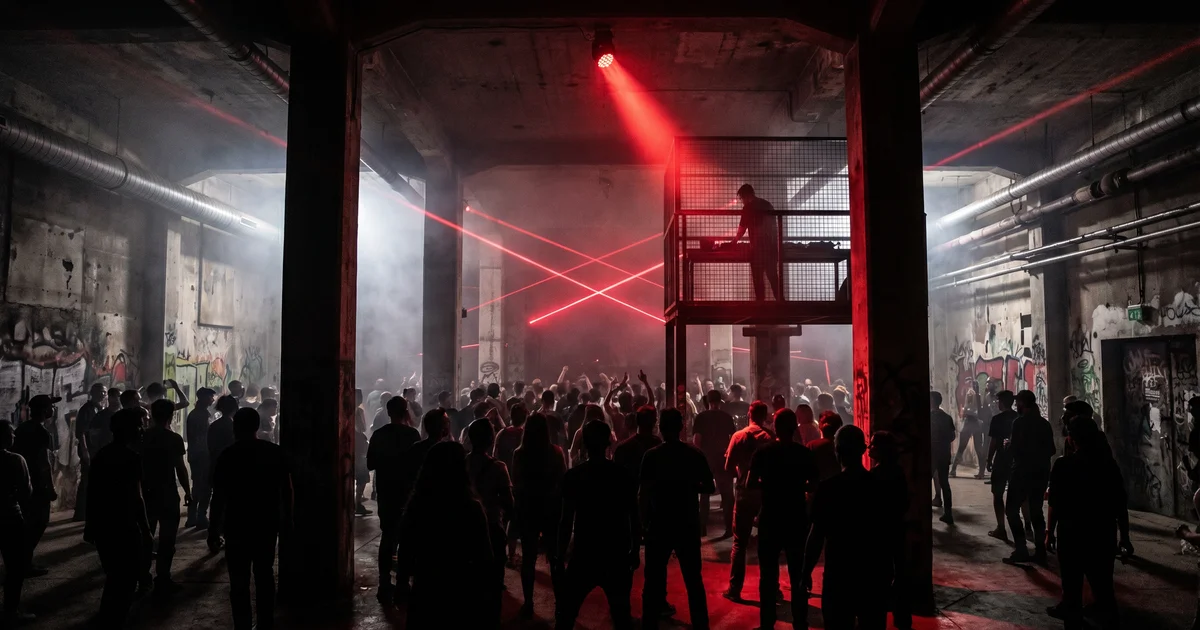
Dark industrial interior of a Berlin techno club with red laser beams and silhouetted dancers
Berghain, Tresor, Watergate, Sisyphos — a deep dive into the culture, history, and practical realities of Berlin's legendary nightlife.

Maurício Amaro
February 20, 2026
Key Takeaways
- 1Berlin clubs operate on a different time scale — many run 60+ hours without closing.
- 2Getting into Berghain is not guaranteed; understanding the door culture is essential.
- 3The 'no photos' policy is strictly enforced — cameras are taped over at the door.
- 4Dress down, not up — Berlin club culture actively rejects ostentation.
- 5The best nights are often Sunday morning, not Saturday night.
Berlin is not just a city with good clubs. It is the city that invented the modern club as a cultural institution. After the Wall fell in 1989, a generation of artists, musicians, and outsiders colonised the abandoned industrial spaces of East Berlin and created something that had never existed before: a nightlife culture built entirely around music, community, and radical freedom. Thirty-five years later, that culture is still alive — and still the standard against which every other city's nightlife is measured.
This guide is for people who want to understand Berlin's club scene, not just visit it. We cover the history, the major venues, the unwritten rules, and the practical information you need to have a great night — or a great 48-hour weekend.
A Brief History of Berlin Techno
The story begins in Detroit. In the mid-1980s, producers like Juan Atkins, Derrick May, and Kevin Saunderson were creating a new form of electronic music — harder, more mechanical, more futuristic than anything that had come before. When that music reached Berlin in the late 1980s, it found a city uniquely ready to receive it. The Wall had just fallen. There were hundreds of empty buildings, no planning regulations, and a generation of young people who had grown up in the shadow of division and were ready to dance.
The first wave of clubs — Tresor (opened 1991 in a bank vault), E-Werk (in a former power plant), Bunker (in a WWII air-raid shelter) — established the aesthetic that defines Berlin techno to this day: industrial spaces, dark rooms, music that prioritises function over fashion. The scene survived the commercialisation of the late 1990s, the smoking ban debates of the 2000s, and the gentrification pressures of the 2010s. Today, Berlin's clubs are recognised by the German government as cultural venues — a legal status that protects them from noise complaints and property development.
The Essential Clubs
Berghain / Panorama Bar
Berghain is the most famous club in the world. Located in a former power plant in Friedrichshain, it operates across two main floors: the ground-floor Berghain (hard techno, industrial, relentless) and the first-floor Panorama Bar (house, disco, more melodic). The club opens Friday night and does not close until Monday morning — a 60-hour continuous party. The sound system, designed by Funktion-One, is widely considered the finest in any club anywhere. Artists like Marcel Dettmann, Ben Klock, and Len Faki are residents. Getting in requires patience, the right attitude, and some luck. Dress in dark clothing, go alone or in a small group, do not talk at the door, and be there for the music.
Pro Tip
Berghain door tip: The bouncers — led by the legendary Sven Marquardt — are not looking for beautiful people or expensive clothes. They are looking for people who are genuinely there for the music. Speak German if you can. Do not be drunk. Do not be in a group larger than four. Do not check your phone while waiting. Entry for Klubnacht weekends is now approximately €40 (2026). In April 2026, Berghain ranked 21st in DJ Mag's Top 100 Clubs — but regulars will tell you the ranking means nothing inside those walls.
Tresor
Tresor is Berlin's oldest continuously operating techno club, having moved from its original bank-vault location to a massive power plant complex in Mitte in 2007. The main room — the Globus — is a cavernous industrial space with a sound system that makes your chest vibrate. The basement Tresor room is smaller, darker, and harder. The booking policy is impeccable: this is where you will find the Detroit techno legends (Underground Resistance, Jeff Mills) alongside the new generation of Berlin producers. Easier to get into than Berghain, but the music is just as serious.
Watergate
Watergate permanently closed at the end of 2024 after 22 years on the banks of the Spree, citing financial pressure and rising costs. Its glass floor overlooking the river and its two contrasting floors (one facing the water, one underground) are now part of Berlin club history. The closure left a significant gap in the city's mid-size venue scene. For a similar melodic techno experience, Salon zur Wilden Renate and Tresor are the closest current alternatives.
Sisyphos
Sisyphos is the most unique club in Berlin — possibly in the world. Located in a former dog biscuit factory in Lichtenberg, it is a sprawling outdoor-indoor complex with multiple stages, a lake, a carousel, and a hammam. Parties start Friday night and end Monday morning. The music ranges from techno to house to afrobeats to ambient. The crowd is the most diverse in Berlin. Sisyphos is not just a club — it is a temporary autonomous zone, a 72-hour festival that happens every weekend.
Kater Blau
Kater Blau occupies a riverside space near Ostbahnhof and has a reputation for the most eclectic and artistically adventurous programming in Berlin. The outdoor area — a garden with a stage, a bar, and a boat — is one of the best places in the city on a summer Sunday afternoon. The music spans techno, house, and experimental electronic. The crowd is creative, queer-friendly, and genuinely warm.
The Unwritten Rules of Berlin Club Culture
- 1No photos. Camera stickers are applied at the door. Taking photos inside a Berlin club — especially Berghain — is one of the fastest ways to be ejected. The no-photos policy exists to protect the privacy of the people inside and to preserve the space as a genuine sanctuary.
- 2Dress down. Berlin club culture is explicitly anti-fashion. Expensive clothes, designer labels, and anything that signals wealth or status are actively unwelcome. Dark, functional clothing is the uniform.
- 3Respect the music. Talking loudly near the speakers, requesting songs, or treating the DJ as background music are all considered disrespectful. You are there to listen and dance, not to socialise.
- 4Be sober enough to consent. Berlin clubs take harm reduction seriously. Most have chill-out rooms, water stations, and trained staff. The culture is tolerant of altered states but expects people to be in control.
- 5Do not rush. The best moments in a Berlin club happen at 8 AM on a Sunday, not at midnight on a Saturday. Build in time.
Practical Information
- Getting there: U-Bahn and S-Bahn run 24 hours on weekends. Berghain is at Rüdersdorfer Str. 70; Tresor is at Köpenicker Str. 70; Watergate is at Falckensteinstr. 49.
- Entry prices: €15–€25 for most clubs. Berghain charges €25–€40 on weekends (Klubnacht is typically €40 as of 2026). Sisyphos charges €15–€25 depending on the event.
- Currency: Most Berlin clubs are cash-only. Bring euros.
- Language: English is widely spoken in Berlin clubs, but attempting a few words of German is always appreciated.
- Drugs: Drug use is widespread in Berlin clubs. The city has a harm-reduction approach rather than a zero-tolerance policy. The Drugchecking service at some venues allows people to test substances.
Frequently Asked Questions
How do you get into Berghain?+
Getting into Berghain requires dressing down (dark, understated clothing), going alone or in a small group of two to three, not talking at the door, and being genuinely there for the music. Speaking German helps. There is no guaranteed formula — the door policy is intentionally unpredictable — but these guidelines significantly improve your chances.
What is the best techno club in Berlin?+
Berghain is widely considered the best techno club in the world. For a more accessible alternative with equally serious music, Tresor is the top choice (note: Watergate permanently closed in 2024). For the most unique experience, Sisyphos — a 72-hour outdoor festival every weekend — is unlike anything else.
When is the best time to go to Berlin clubs?+
The best time to go to Berlin clubs is Sunday morning, not Saturday night. The crowd is more local, the music is better, and the energy is at its peak between 6 AM and noon on Sunday. Many experienced Berlin clubbers arrive at 6–8 AM after sleeping during the early night.
Are Berlin clubs expensive?+
Berlin clubs are relatively affordable compared to London or New York. Entry is typically €10–€20. Drinks are €3–€8. Most clubs are cash-only. The overall cost of a night out in Berlin is significantly lower than in comparable world cities.
What is the no-photos policy in Berlin clubs?+
Most Berlin clubs, including Berghain, enforce a strict no-photos policy. Camera stickers are applied to phone cameras at the door. The policy exists to protect the privacy of people inside the club and to preserve the space as a genuine sanctuary from social media culture. Violating this policy will result in immediate ejection.
Things to do in Berlin tonight
Bar crawls, club tours, skip-the-line entry & more · via GetYourGuide
Powered by GetYourGuide — affiliate link
🎟️ Things to do in Berlin tonight
Bar crawls, night tours, skip-the-line entry & more · via Klook
Powered by Klook — affiliate link
Hotels in Berlin
Compare hotels, apartments & guesthouses
Powered by Booking.com
About the Author
Maurício Amaro
Maurício Amaro has spent 15 years covering nightlife, electronic music, and urban culture across four continents. Equal parts music nerd, map obsessive, and night owl — with a soft spot for rooftop bars, obscure techno labels, and late-night tacos. Neurodivergent, proudly chaotic, and always at the back of the room near the speakers.
Sources and Further Reading
Explore More
Share this guide
Stay in the Loop
Get the best nightlife guides, city spotlights, and event picks delivered to your inbox. No spam, just vibes.
Find Parties Near You