Tokyo Nightlife Guide: Shinjuku, Shibuya, and the Underground Scene in 2026
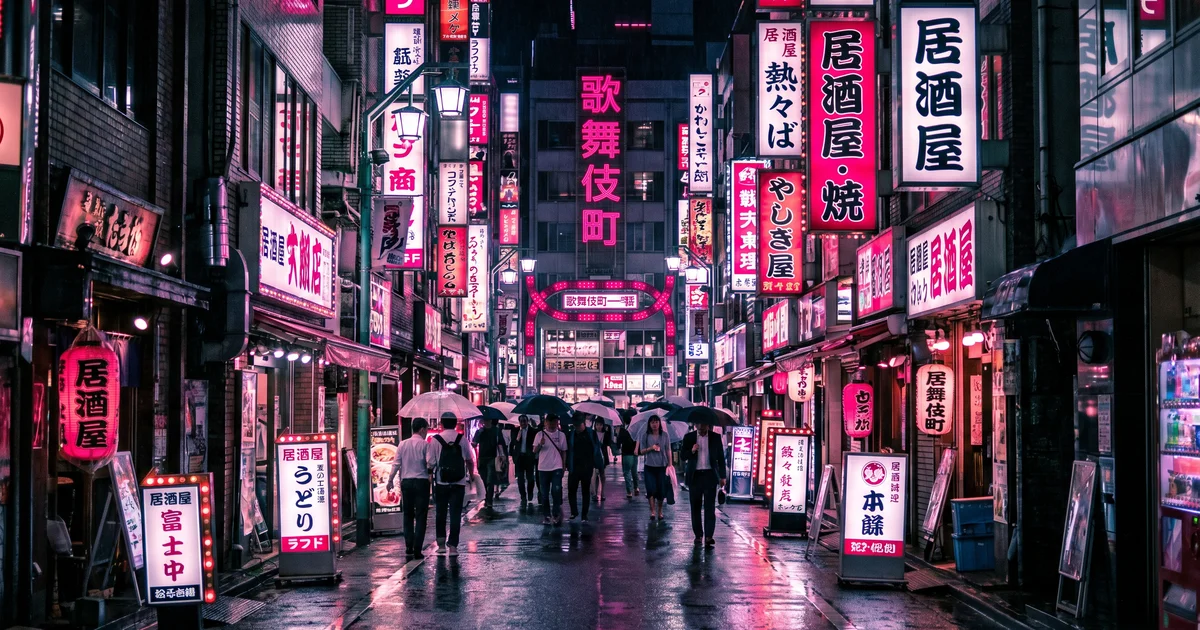
Kabukicho entertainment district in Shinjuku Tokyo at night with towering neon signs and rain-slicked streets
From Golden Gai's tiny bars to ZEROTOKYO's cutting-edge dance floor — the complete guide to going out in Tokyo.

Maurício Amaro
March 20, 2026
Key Takeaways
- 1Tokyo's last train is around midnight — plan to either stay out all night or leave by 11:30 PM.
- 2Ageha THE FESTIVAL (formerly Ageha at Studio Coast, closed 2022) now operates as a traveling event series — ZEROTOKYO in Kabukicho is Tokyo's hottest new permanent club.
- 3Golden Gai in Shinjuku has over 200 tiny bars in a single city block.
- 4Most Tokyo clubs have a strict no-re-entry policy.
- 5Cash is essential — many Tokyo bars and clubs do not accept cards.
Tokyo's nightlife operates on its own logic. The city that gave the world the capsule hotel, the vending machine cocktail, and the 200-seat underground jazz club has a nightlife scene that is simultaneously the most organised and the most surprising in the world. From the neon chaos of Shinjuku's Kabukicho entertainment district to the intimate jazz bars of Shimokitazawa, Tokyo rewards the curious and punishes the lazy.
The key practical fact about Tokyo nightlife is the train schedule. The last trains run around midnight, and the first trains start again around 5 AM. This creates a binary choice: leave before midnight, or stay out until the trains start again. Most serious Tokyo nightlife regulars choose the latter.
Shinjuku: The Entertainment District
Golden Gai
Golden Gai is one of the most extraordinary drinking experiences in the world. A single city block in Shinjuku containing over 200 tiny bars — most with capacity for 6–8 people — it has been a gathering place for writers, artists, musicians, and night owls since the 1950s. Each bar has its own personality: one plays nothing but jazz, another is decorated entirely with film posters, a third serves only whisky. Foreigners are welcome in most bars (look for the 'Foreigners Welcome' signs), though some are regulars-only. Budget ¥1,000–¥2,000 per bar for a drink and a cover charge.
Kabukicho
Kabukicho is Tokyo's largest entertainment district — a dense grid of hostess bars, karaoke rooms, izakayas, and clubs that never really sleeps. It is not the most sophisticated nightlife destination, but it is the most viscerally exciting. The Robot Restaurant (now closed) was the most famous attraction; today the district is more interesting for its street food, its 24-hour ramen shops, and its genuine sense of urban energy.
The Club Scene: Ageha and Beyond
Ageha
Ageha THE FESTIVAL is the evolution of the legendary Ageha at Studio Coast, which permanently closed in January 2022. The brand now operates as a traveling festival series at venues like Kiranah Garden Toyosu, hosting international DJs alongside Japan's best domestic talent. The music spans techno, trance, drum and bass, and J-pop club music. Check ageha.com for upcoming events. ZEROTOKYO in the Tokyu Kabukicho Tower has emerged as a major new permanent nightlife hub, hosting acts like Nico Moreno and DJ Harvey on a strictly cashless basis.
Contact Tokyo
Contact in Shibuya is Tokyo's most respected underground club. A small basement venue with an exceptional sound system and a booking policy that brings in the best international and domestic techno and house DJs, it is the Tokyo equivalent of Berghain or Fabric — a place where the music is the only thing that matters. The crowd is young, knowledgeable, and passionate. 2026 update: Contact has expanded its programming to include a new monthly residency series, and its sister venue ZEROTOKYO in the Tokyu Kabukicho Tower now handles the larger-capacity international bookings.
Shibuya: Bars and Live Music
Shibuya's bar scene is centred on the area around the famous scramble crossing. Bar Martha is a legendary jazz bar that has been open since 1978. Womb is a four-floor club that was one of the first venues in Japan to book international electronic music DJs. Oath is a small underground club with excellent bookings and a loyal local following.
Pro Tip
Tokyo train tip: The last trains from Shibuya and Shinjuku run around 12:30 AM. If you plan to stay out all night, the first trains start at around 5 AM. Taxis are expensive in Tokyo — budget ¥3,000–¥5,000 for a cross-city ride. The Ageha shuttle bus from Shibuya is the best option for getting to the club.
Frequently Asked Questions
Where are the best clubs in Tokyo?+
The best clubs in Tokyo are Ageha (Shinkiba, largest club in Japan, 5,000 capacity), Contact (Shibuya, underground techno and house), and Womb (Shibuya, four-floor club with international bookings). For a unique bar experience, Golden Gai in Shinjuku has over 200 tiny bars in a single city block.
What time do trains stop in Tokyo?+
The last trains in Tokyo run around midnight to 12:30 AM. The first trains start again at around 5 AM. This means you either need to leave before midnight or plan to stay out until the trains start again. Taxis are available but expensive.
Is Tokyo nightlife expensive?+
Tokyo nightlife is moderately priced compared to London or New York. Club entry is typically ¥2,000–¥3,500 (approximately $15–$25). Drinks are ¥700–¥1,500. Golden Gai bars charge a cover of ¥500–¥1,000 per bar. Cash is essential — many Tokyo bars do not accept cards.
What is Golden Gai in Tokyo?+
Golden Gai is a network of six narrow alleys in Shinjuku containing over 200 tiny bars, most with capacity for only 6–8 people. Each bar has its own unique theme and personality. It has been a gathering place for artists, writers, and night owls since the 1950s and is one of the most extraordinary drinking experiences in the world.
Things to do in Tokyo tonight
Bar crawls, club tours, skip-the-line entry & more · via GetYourGuide
Powered by GetYourGuide — affiliate link
Hotels in Tokyo
Compare hotels, apartments & guesthouses
Powered by Booking.com
About the Author
Maurício Amaro
Maurício Amaro has spent 15 years covering nightlife, electronic music, and urban culture across four continents. Equal parts music nerd, map obsessive, and night owl — with a soft spot for rooftop bars, obscure techno labels, and late-night tacos. Neurodivergent, proudly chaotic, and always at the back of the room near the speakers.
Sources and Further Reading
Explore More
Share this guide
Stay in the Loop
Get the best nightlife guides, city spotlights, and event picks delivered to your inbox. No spam, just vibes.
Find Parties Near You