Barcelona Nightlife Guide 2026: Best Clubs, Bars & Party Districts
Barcelona nightlife aerial view with illuminated streets and Mediterranean sea in background
From Razzmatazz's five rooms to the underground techno of Moog — the complete guide to going out in Barcelona.

Maurício Amaro
April 1, 2026
Key Takeaways
- 1Barcelona clubs do not fill up until 2 to 3 AM — patience is essential.
- 2Razzmatazz has five rooms playing different genres simultaneously.
- 3Sala Apolo's Nitsa Club night has run every Saturday since 1993.
- 4Moog in El Raval is the best underground techno club in Barcelona.
- 5El Raval is the most authentic neighbourhood; Poblenou has the best warehouse clubs.
Barcelona is one of the greatest party cities in the world. The combination of Mediterranean climate, a deeply social culture, world-class music venues, and a nightlife schedule that makes every other city look like it goes to bed early makes Barcelona a destination that serious nightlife lovers return to again and again. Clubs do not fill up until 2 AM. The best nights stretch until 8 or 9 in the morning. And the sheer variety of experiences available — from underground techno in a converted garage to glamorous beachfront clubs with views of the Mediterranean — means that Barcelona has something for every type of night owl.
This guide covers everything you need to know about going out in Barcelona in 2026: the best clubs, the best bars, the best neighbourhoods, and the practical information that will help you have the best possible night.
The Barcelona Nightlife Schedule
Understanding Barcelona's nightlife schedule is the single most important piece of knowledge for a first-time visitor. Barcelona operates on a timeline that is radically different from most cities. Dinner typically starts at 9 or 10 PM. Pre-drinks at a bar run from midnight to 2 AM. Clubs do not fill up until 2 or 3 AM. The peak hours in the best clubs are 3 to 6 AM. And the after-parties, for those with the stamina, run until noon or later. If you arrive at a Barcelona club at midnight, you will be almost alone. Patience is essential.
Pro Tip
Arrive at clubs between 2 and 3 AM for the best atmosphere. Before that, explore the bar scene in Gràcia, El Born, or Bairro Alto. Most clubs offer free or reduced entry before 2 AM — use this to scout the venue before it fills up.
The Best Clubs in Barcelona
Razzmatazz: Five Rooms, One Night
Razzmatazz is the most famous club in Barcelona and one of the most famous in Europe. Located in a converted warehouse in Poblenou, the club operates five distinct rooms simultaneously: The Razz Club for indie and alternative, Lolita for pop and electropop, Rex Room for techno and minimal, The Loft for house and electronic, and Pop Bar for mainstream pop. The sheer diversity of music under one roof means that a single night at Razzmatazz can take you through five completely different sonic worlds. The venue has hosted virtually every major international act over its 25-year history, from Daft Punk to The Chemical Brothers.
Sala Apolo: History and Nitsa Club
Sala Apolo is Barcelona's most beautiful venue, a stunning 1940s ballroom in El Raval that has been transformed into one of Europe's finest underground clubs. The venue's ornate architecture — original balconies, painted ceiling, parquet dance floor — creates an atmosphere that no modern club can replicate. The legendary Nitsa Club electronic night, held every Saturday since 1993, is one of the longest-running and most respected electronic music nights in Europe. Arriving at Apolo for Nitsa and watching the ballroom fill with Barcelona's most dedicated music lovers is one of the great nightlife experiences in the world.
Moog: Underground Techno in El Raval
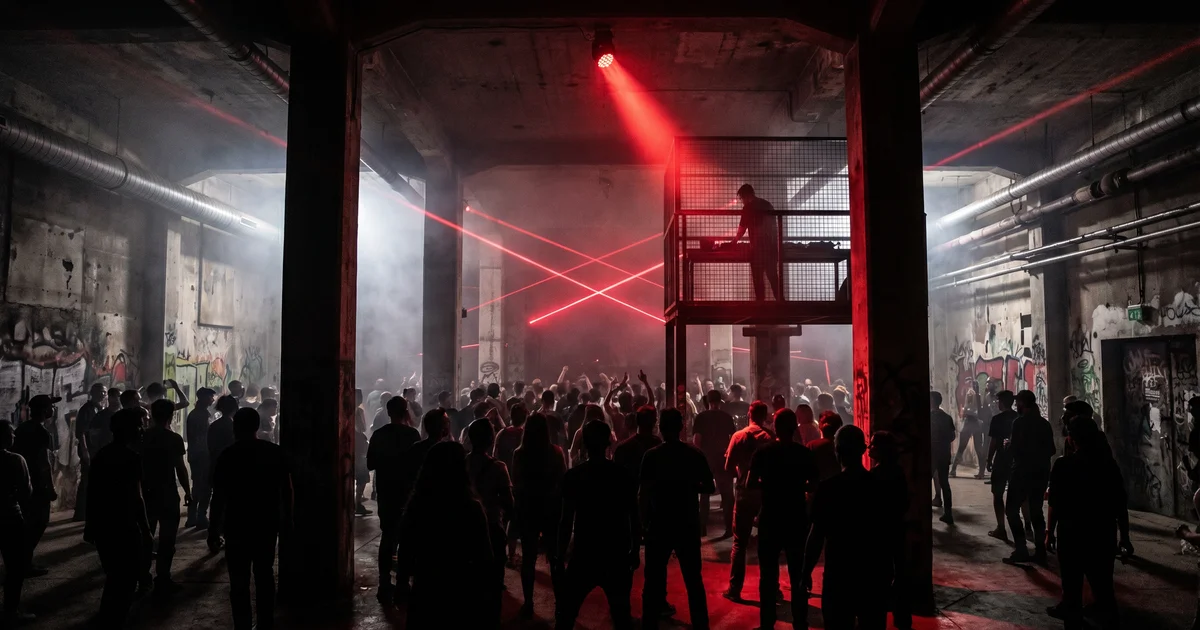
Moog is Barcelona's most important underground techno club. With a capacity of just 300, it is the antithesis of the megaclub experience — dark, intimate, and entirely focused on the music. Located in El Raval, Moog has been a cornerstone of Barcelona's electronic music scene since 1996. The sound system is exceptional, the crowd is knowledgeable, and the atmosphere is exactly what a serious techno club should feel like. This is where Barcelona's electronic music community comes when it wants to be challenged.
Input: The Audiophile's Club
Input High Fidelity Club is Barcelona's most audiophile nightclub, a venue designed from the ground up around a custom-built sound system that delivers an unparalleled listening experience. Located in Poblenou, Input has quickly become one of the most respected clubs in Europe, attracting the world's finest techno and house artists. The programming is uncompromising, the crowd is serious, and the sound quality is genuinely extraordinary.
The Best Party Neighbourhoods in Barcelona
El Raval: Underground and Authentic
El Raval is Barcelona's most authentic nightlife neighbourhood, a dense, diverse district west of La Rambla that has been the city's bohemian heartland for decades. The neighbourhood is home to Sala Apolo, Moog, and dozens of bars and smaller venues. El Raval's nightlife is more underground and less tourist-oriented than other parts of the city, and the crowd tends to be younger, more local, and more musically adventurous.
Poblenou: The Creative District
Poblenou is Barcelona's creative district, a former industrial neighbourhood that has been transformed into a hub for technology companies, design studios, and nightlife venues. Razzmatazz and Input are both located here, and the neighbourhood's warehouse aesthetic is perfectly suited to the electronic music events that dominate its nightlife. Poblenou is further from the city centre than El Raval, but the quality of the venues makes the journey worthwhile.
Barceloneta and Port Olímpic: Beachfront Glamour
For a more glamorous, beachfront experience, Barceloneta and Port Olímpic offer a cluster of large clubs and beach bars that attract a cosmopolitan crowd of tourists and locals. Opium and Pacha are the flagship venues, both offering spectacular Mediterranean views and a more mainstream, upscale experience. This is Barcelona's party strip — loud, crowded, and unapologetically commercial, but undeniably fun.
Practical Guide: What to Know Before You Go
Barcelona's clubs operate under a set of rules that are worth understanding. Most clubs charge entry of €15 to €25, which typically includes one drink. Guest lists are available for most venues and can be accessed through the venue's website or Instagram. Dress codes are enforced at the larger clubs — smart casual is the minimum, and sportswear is generally not permitted. The best way to get into Barcelona's clubs is to arrive early (before 2 AM) and avoid the queues that form later in the night. Taxis and Uber are plentiful and inexpensive by European standards.
Frequently Asked Questions
What time do clubs open in Barcelona?+
Most Barcelona clubs open at midnight but do not fill up until 2 or 3 AM. The peak hours are typically 3 to 6 AM. If you arrive before 2 AM, you will often get free or reduced entry.
What is the best club in Barcelona?+
Razzmatazz is the most famous and versatile club, with five rooms playing different genres. For underground electronic music, Sala Apolo (Nitsa Club night) and Moog are the top choices. For audiophile sound quality, Input is unmatched.
What is the best neighbourhood for nightlife in Barcelona?+
El Raval is the most authentic and underground neighbourhood. Poblenou has the best warehouse clubs. Barceloneta and Port Olímpic offer the most glamorous beachfront experience.
How much does it cost to get into clubs in Barcelona?+
Entry typically costs €15 to €25 and usually includes one drink. Guest lists are available for most venues and can reduce or eliminate the entry fee.
Is Barcelona safe at night?+
Barcelona is generally safe at night, but pickpocketing is common in tourist areas. Keep your valuables secure, particularly in La Rambla and El Raval. The main club areas are well-policed and safe.
Things to do in Barcelona tonight
Bar crawls, club tours, skip-the-line entry & more · via GetYourGuide
Powered by GetYourGuide — affiliate link
Hotels in Barcelona
Compare hotels, apartments & guesthouses
Powered by Booking.com
About the Author
Maurício Amaro
Maurício Amaro has spent 15 years covering nightlife, electronic music, and urban culture across four continents. Equal parts music nerd, map obsessive, and night owl — with a soft spot for rooftop bars, obscure techno labels, and late-night tacos. Neurodivergent, proudly chaotic, and always at the back of the room near the speakers.
Sources and Further Reading
Explore More
Share this guide
Stay in the Loop
Get the best nightlife guides, city spotlights, and event picks delivered to your inbox. No spam, just vibes.
Find Parties Near You