Brussels Nightlife Guide 2026: Techno Clubs, Jazz Bars & After-Hours
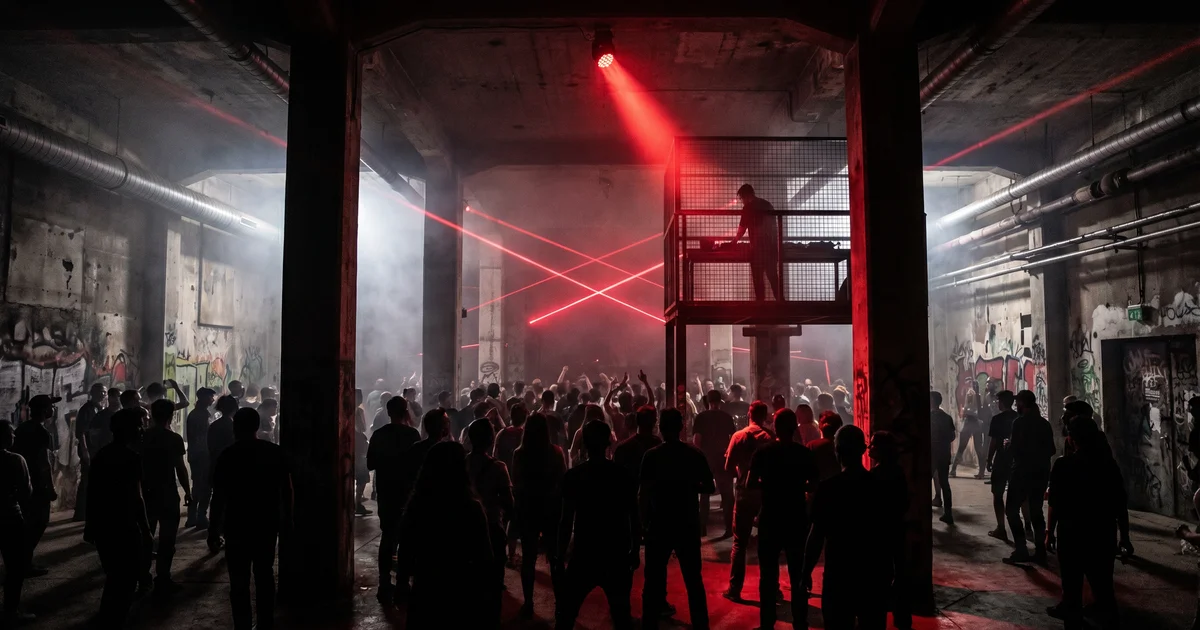
Crowd dancing inside Fuse Brussels with purple strobes and a packed dancefloor
Belgium's capital punches far above its weight after dark — Fuse has been a techno institution for 30 years, C12 sits inside a Gothic law court, and the city's underground scene rivals Berlin without the tourist fatigue.

Marco Reyes
June 9, 2026
Key Takeaways
- 1Fuse is Brussels' most iconic techno club — 30 years of history and still running strong.
- 2C12 is located inside a 19th-century courthouse, with one of the most striking club interiors in Europe.
- 3Brussels nightlife starts late — pre-drinks at bars until midnight, clubs peak 2–5 AM.
- 4The Ixelles and Matongé neighbourhoods are the best areas for bar-hopping.
- 5Belgian beers are world-class — start your night at a traditional brown café before heading to the clubs.
Why Brussels Nightlife Deserves More Credit
Brussels is often overlooked in favour of Amsterdam or Berlin, but nightlife insiders know the truth: Belgium has produced some of the most important techno and new beat music in Europe, and its capital still carries that legacy. The city is compact, central, and home to a genuinely passionate underground scene that hasn't been hollowed out by mass tourism.
The Best Clubs in Brussels
- Fuse (Rue Blaes 208) — The grandfather of Brussels clubs. Founded in 1994, Fuse has hosted Jeff Mills, Laurent Garnier, and Richie Hawtin across three decades. The sound system is surgical, the crowd is serious, and Saturday nights are pilgrimage-worthy. Expect a strict door; dress down, not up.
- C12 (Rue de la Régence / Regentschapsstraat) — Arguably the most visually stunning club in Belgium. C12 is housed inside the former Palais de Justice courthouse, with vaulted ceilings, marble floors, and a rooftop terrace that opens in summer. Techno and house dominate, with occasional ambient and experimental nights.
- La Rocca (Lier, 40 min from Brussels) — Technically outside the city but worth the trip. La Rocca is Belgium's best-loved mainstream dance club, drawing massive crowds for big-name EDM and progressive house bookings. If you want spectacle, this is it.
- Recyclart (Rue des Ursulines 25) — A creative arts centre and bar under a railway arch in the Midi neighbourhood. Hosts DJ nights, live acts, and cultural events in a gritty, unpretentious setting. Free or cheap entry most nights.
- Club Vaag (Ghent, 50 min from Brussels) — Not Brussels proper, but Ghent's best club is the kind of stripped-back warehouse party that keeps the Belgian underground honest. Makes a great weekend addition.
Best Neighbourhoods for Bars & Pre-Drinks
The Ixelles district — particularly Place Flagey and Rue du Bailli — is Brussels' best bar neighbourhood. It's cosmopolitan, walkable, and packed with everything from Belgian abbey beer cafés to wine bars and cocktail lounges. Matongé, just east of Ixelles, is the city's African district and buzzes with live music and neighbourhood bars that stay open late. For a more central option, the Saint-Géry area around Place Saint-Géry has the highest density of nightlife within the city centre.
Practical Tips for Going Out in Brussels
- Language: Brussels is officially bilingual (French and Dutch), but French dominates. English is widely spoken in nightlife settings.
- Getting around: Taxis and Uber are reliable. The metro runs until midnight on weekdays and all night on Fridays and Saturdays.
- Entry prices: Fuse charges €12–€20 depending on the night. C12 varies by event. Many bars and smaller venues are free or €5 entry.
- Beer culture: Start with a Duvel, Chimay, or Cantillon gueuze at a traditional café. It's mandatory.
- Best nights: Friday is the warm-up; Saturday is peak. Some venues have strong Sunday sessions that run deep into the afternoon.
Pro Tip
Fuse has a strict no-phone-camera policy on the dancefloor. Leave the Instagram mindset at home — it makes the experience significantly better for everyone.
Frequently Asked Questions
What is the best club in Brussels?+
Fuse is the most historically significant and consistently excellent club in Brussels — 30 years of serious techno programming. C12 wins for architecture and ambience. For a varied night, both are within a short taxi ride of each other.
When do clubs in Brussels open and close?+
Most clubs open around midnight and run until 6 or 7 AM. Some venues, particularly Fuse on Saturdays, continue after-hours into Sunday afternoon. Belgian nightlife starts late — don't arrive before 1 AM.
Is Brussels nightlife expensive?+
By Western European standards, Brussels is mid-range. Club entry runs €12–€20. Belgian craft beers in bars cost €3–€6. Cocktails in clubs are €10–€14. Significantly cheaper than London or Zurich, roughly on par with Paris.
What type of music do Brussels clubs play?+
Techno and house are the dominant genres in the underground and mid-tier club scene. Commercial EDM is popular at larger suburban venues like La Rocca. Hip-hop, Afrobeats, and R&B nights are common in Ixelles and Matongé bars.
How does Brussels compare to Amsterdam for nightlife?+
Brussels has a more authentic, less tourist-saturated scene than Amsterdam. The clubs are smaller, the crowd more local, and the focus is more on music than spectacle. Amsterdam has more global-name bookings; Brussels has more integrity.
Things to do in Brussels tonight
Bar crawls, club tours, skip-the-line entry & more · via GetYourGuide
Powered by GetYourGuide — affiliate link
🎟️ Things to do in Brussels tonight
Bar crawls, night tours, skip-the-line entry & more · via Klook
Powered by Klook — affiliate link
Hotels in Brussels
Compare hotels, apartments & guesthouses
Powered by Booking.com
Sources and Further Reading
Explore More
Share this guide
Stay in the Loop
Get the best nightlife guides, city spotlights, and event picks delivered to your inbox. No spam, just vibes.
Find Parties Near You