Mexico City Nightlife Neighborhoods: The Deep Guide to CDMX After Dark
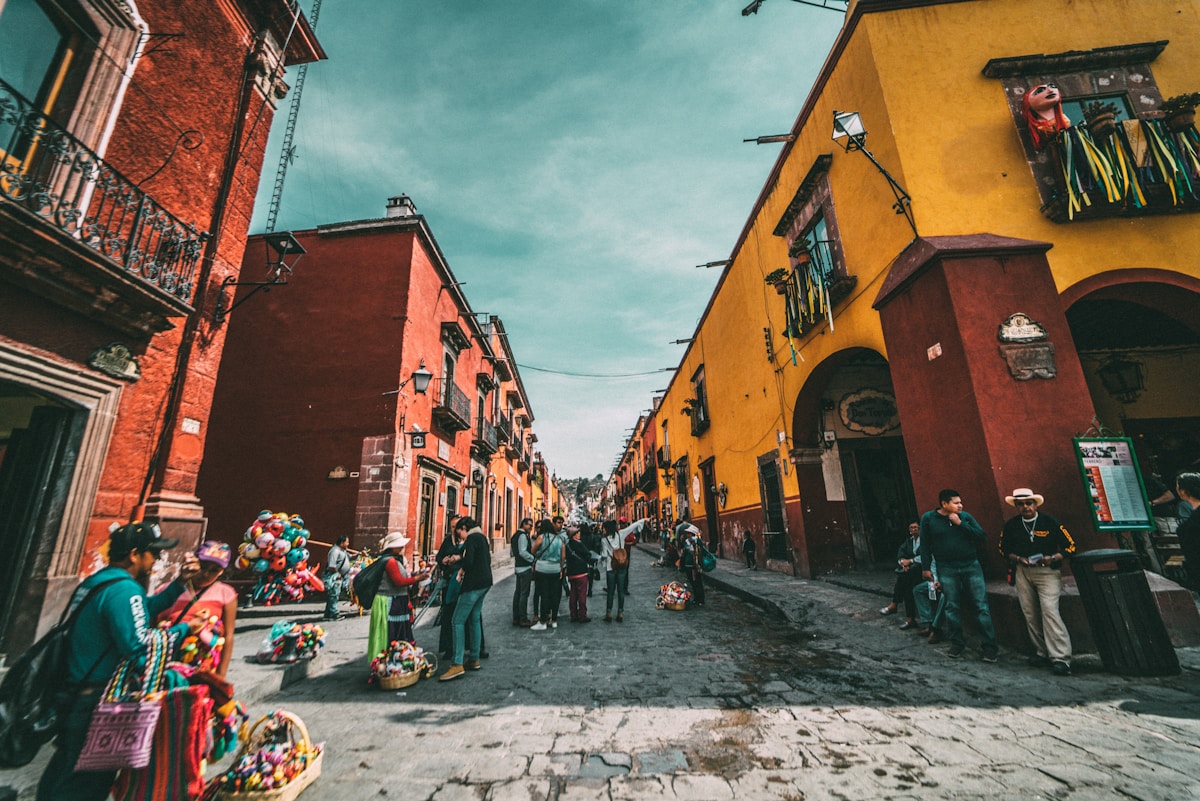
Mexico City Roma Norte neighborhood at night with tree-lined avenues and illuminated bar terraces
Condesa, Roma Norte, Polanco, Santa Maria la Ribera, Juarez — a neighborhood-by-neighborhood guide to where Mexico City actually parties.
Jordan Mills
April 28, 2026
Key Takeaways
- 1Roma Norte is the epicenter of the hip CDMX bar scene — mezcal bars, natural wine, craft cocktails, and the city's best restaurant-bars.
- 2Mexico City's bar scene is built around mezcal — understanding the drink and how to order it is essential to fully engaging with the culture.
- 3Altitude (2,240m above sea level) means alcohol hits significantly harder than at sea level — pace yourself accordingly.
- 4Uber is essential for safe transport between neighborhoods; never take unmarked taxis.
- 5The LGBTQ+ scene in Zona Rosa is one of the most established and vibrant in Latin America.
Mexico City is one of the world's great nightlife capitals and one of the most underestimated by international visitors who arrive expecting a slightly larger version of Cancun or Puerto Vallarta. CDMX is a city of 22 million people with a cultural depth, bar scene sophistication, and nightlife diversity that rivals any city in the Americas. The challenge is not finding somewhere to go — it is choosing between twenty excellent options within a few square kilometers.
The geography of CDMX nightlife is essentially a cluster of interconnected neighborhoods in the western-central part of the city. Roma Norte, Condesa, Polanco, Juarez, and Santa Maria la Ribera are all within relatively close proximity and each has a distinct character. Understanding these neighborhoods — and what differentiates them — is the key to navigating the city's extraordinary after-dark scene.
The Key Nightlife Neighborhoods of Mexico City
Roma Norte
Roma Norte is the undisputed epicenter of the hip Mexico City bar and restaurant scene. The neighborhood around Alvaro Obregon Avenue and the surrounding grid is so densely packed with excellent mezcal bars, natural wine spots, cocktail lounges, and restaurant-bars that you could spend an entire week here without revisiting the same place twice. The crowd skews toward creative professionals, artists, and the international expat community that has made CDMX one of the world's major destinations for remote workers and digital nomads.
Condesa
Condesa is Roma Norte's slightly older, calmer neighbor — an Art Deco neighborhood of wide tree-lined avenues, park terraces, and bars with a more established, slightly more affluent clientele. The nightlife here skews slightly older and slightly quieter than Roma Norte, with excellent restaurant-bars along Tamaulipas and Amsterdam (the circular avenue that wraps around Parque Mexico). It is ideal for those who want a genuinely excellent night out without the intensity of Roma Norte on a Friday.
Polanco
Polanco is Mexico City's most upscale neighborhood — the equivalent of Beverly Hills in terms of wealth concentration, with luxury hotels, Michelin-level restaurants, and cocktail bars that charge prices comparable to Manhattan. The nightlife here is formal, expensive, and genuinely excellent for those who can afford it. Presidente Masaryk Avenue has the highest concentration of premium bars and restaurants. Dress code is strictly enforced at all the major venues.
Zona Rosa and Juarez
Zona Rosa is CDMX's historic LGBTQ+ district — a dense commercial zone north of Reforma Avenue with a thriving scene of gay bars, clubs, and inclusive venues that has been the heart of the city's queer community for decades. It is one of the most established LGBTQ+ nightlife destinations in Latin America. Adjacent Juarez is a more recently gentrified neighborhood with an emerging independent bar scene that attracts a creative and alternative crowd.
Santa Maria la Ribera
Santa Maria la Ribera is CDMX's most authentic nightlife neighborhood for those who want to move away from the tourist-familiar circuit of Roma and Condesa. The neighborhood's main square, the Alameda de Santa Maria, is surrounded by bars and cafes with a genuinely local character, and the surrounding streets have some of the city's best cantinas — traditional Mexican bars that serve food alongside mezcal and beer. It is the neighborhood that Mexico City residents would recommend if you asked them where they actually go.
Mezcal Culture in Mexico City
Mexico City's bar scene is built around mezcal in a way that has no equivalent in any other major city's relationship with a single spirit. Mezcal — the artisanal agave distillate that is distinct from tequila in its production methods and flavor complexity — has become the defining drink of the CDMX hip crowd, and the concentration of excellent mezcalerias (mezcal bars) in Roma Norte is extraordinary. Understanding the basic vocabulary — joven (young), reposado (rested), anejo (aged), and the different agave species — will make your mezcal bar visits dramatically more rewarding.
The altitude of Mexico City — 2,240 meters above sea level, higher than most ski resorts — is a genuine factor in drinking here. Alcohol metabolizes differently at altitude and its effects are felt more quickly. First-time visitors routinely underestimate this. Drink water consistently through the evening, pace your mezcal sipping accordingly, and avoid the common mistake of matching rounds with locals who have spent their entire lives at this elevation.
Top Venues in Mexico City
- Patrick Miller (Juarez): The legendary Friday-night disco experience — a long-running club night in an old dance hall format that has been drawing a devoted crowd for decades. Dress to dance, bring energy.
- Foro Indie Rocks (Roma Norte): The premier live music venue for independent rock and alternative acts in CDMX, booking national and international artists in an intimate 600-capacity space.
- Mama Rumba (Roma Norte): The classic salsa club in a neighborhood full of options. Live bands, an authentic Cuban-salsa atmosphere, and a dance floor that fills with serious dancers by midnight.
- Multiforo Alicia (Centro Historico): A legendary alternative and punk venue in the historic center, operating since the 1990s with a fierce independent spirit and a consistently excellent live music program.
- Noir CDMX (Polanco): Upscale club in the Polanco luxury zone with international DJ bookings, table service, and a sophisticated production environment.
- Teatro Bar (Roma Norte): The social center of Roma Norte's nightlife — a converted theatre space hosting everything from live jazz to DJ nights with a bar program that uses local spirits.
Practical Tips for Mexico City Nightlife
- Transport: Always use Uber or the Cabify app — never hail an unmarked taxi. Express kidnapping from street taxis has been documented. Uber is cheap and abundant.
- Altitude: Drink water. The altitude (2,240m) significantly amplifies alcohol's effects. Stay hydrated throughout the night.
- Safety: Stick to Roma Norte, Condesa, Polanco, and Zona Rosa for nightlife. Avoid the historic center after dark unless going to a specific venue you know.
- Currency: Mexican pesos in cash are preferred at many bars and mezcalerias. ATMs are abundant; use those inside banks or supermarkets rather than street ATMs.
- Timing: CDMX nightlife starts later than in Europe — bars fill from 10pm, clubs from midnight. Uber availability drops in the early hours; book your return before 3am if possible.
- Mezcal: Order mezcal neat, at room temperature, with an orange slice and a worm-salt (sal de gusano) on the side. Sipping slowly is the correct approach.
Frequently Asked Questions
Which neighborhood is best for nightlife in Mexico City?+
Roma Norte is the best starting point — it has the highest concentration of excellent mezcal bars, cocktail lounges, and late-night restaurant-bars in the city. Condesa is slightly calmer and more upscale; Zona Rosa is the LGBTQ+ hub; Polanco is for a luxury experience.
Is Mexico City nightlife safe?+
In the main nightlife neighborhoods (Roma Norte, Condesa, Polanco, Zona Rosa) it is very safe for visitors. The critical safety rule is to always use Uber or Cabify — never hail a street taxi. Stay in the well-known neighborhoods and exercise standard urban awareness.
Why does alcohol hit harder in Mexico City?+
Mexico City sits at 2,240 meters above sea level — higher than most ski resorts. At this altitude, alcohol is absorbed faster, dehydration sets in more quickly, and the effects of drinking are amplified. Drink water consistently and pace yourself, especially on your first few nights.
What is the best mezcal bar in Mexico City?+
In Roma Norte, La Botica, El Palenquito, and Expendio de Mezcal Sin Nombre are all excellent. For a more educational experience, look for mezcalerias that offer tastings guided by staff who can explain the different agave varieties and production regions.
Things to do in Mexico City tonight
Bar crawls, club tours, skip-the-line entry & more · via GetYourGuide
Powered by GetYourGuide — affiliate link
🎟️ Things to do in Mexico City tonight
Bar crawls, night tours, skip-the-line entry & more · via Klook
Powered by Klook — affiliate link
Hotels in Mexico City
Compare hotels, apartments & guesthouses
Powered by Booking.com
About the Author
Jordan Mills
Jordan Mills grew up between Miami and Medellín, chasing raves from New York warehouses to Buenos Aires rooftops. Obsessive about sound systems, street food, and finding the one bar in any city where the locals actually go. Covers the Americas beat for PartiesNearMe.
Explore More
Share this guide
Stay in the Loop
Get the best nightlife guides, city spotlights, and event picks delivered to your inbox. No spam, just vibes.
Find Parties Near You