Milan Navigli and Aperitivo Guide: The Ritual That Defines Milanese Nightlife
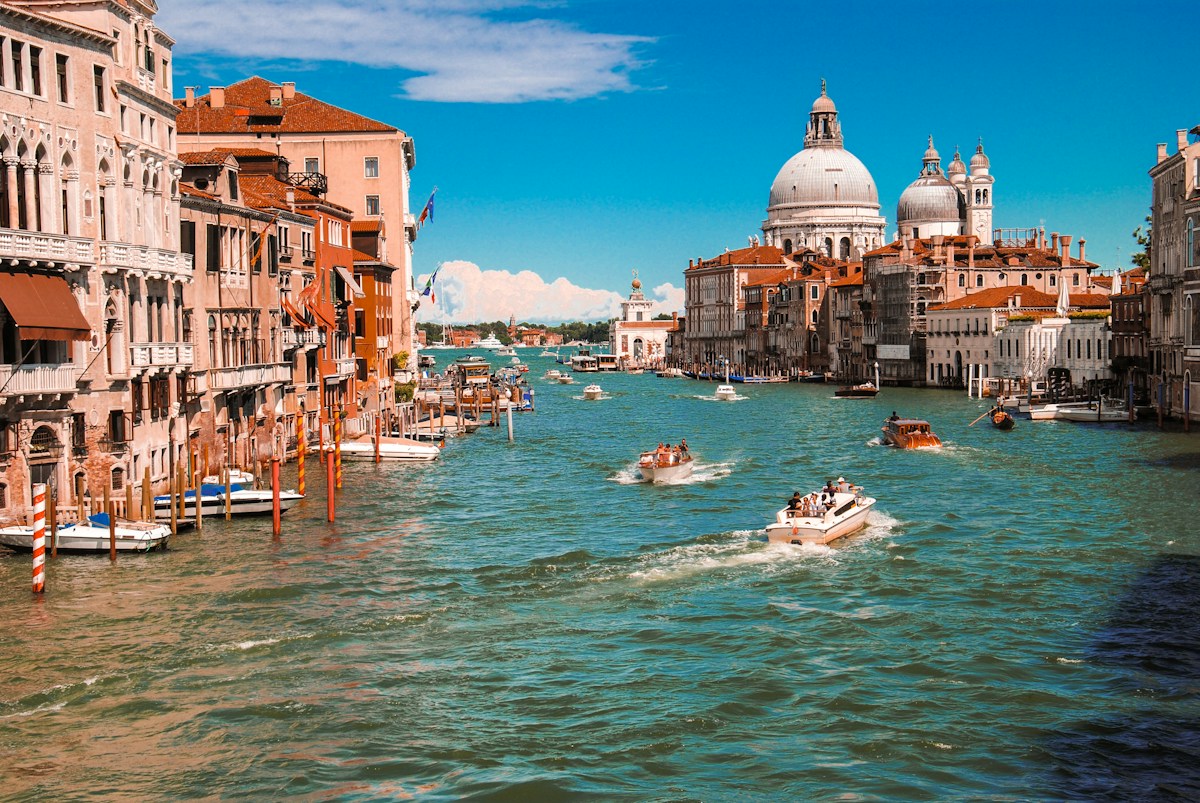
Milan Navigli canal at golden hour with reflections of historic buildings and restaurant terraces lining the waterway
Navigli's canal bars, Brera's cocktail lounges, Isola's independent scene — and the aperitivo tradition that turns a single drink into dinner.
Isabelle Fontaine
April 28, 2026
Key Takeaways
- 1Milan's aperitivo tradition often replaces dinner entirely — a single 8-12 euro drink comes with a full self-service food buffet.
- 2Navigli canal district on Thursday and Friday evenings is the quintessential Milan aperitivo experience.
- 3The eternal Milan cocktail debate: Spritz or Negroni? Both are correct answers.
- 4Milanese dress culture is real — dressing well for Navigli evenings is expected and respected.
- 5Brera is for upscale cocktails; Isola is for independent bars with character; Navigli is for the canal terrace ritual.
The aperitivo ritual in Milan is not just a bar custom — it is a load-bearing pillar of the city's social architecture. In a city that works harder, dresses better, and earns more than anywhere else in Italy, the aperitivo hour from 6pm to 9pm represents the daily permission slip to stop, gather with friends or colleagues, and eat and drink slowly. And in Milan, where the aperitivo buffet is often generous enough to constitute a full meal, 'slowly' understates it.
The Navigli district — a network of historic canals in the southwestern part of the city, the remnants of a medieval system that once connected Milan to the Po Valley — is the geographic heart of this tradition. On Thursday and Friday evenings, the Navigli becomes one of the great urban experiences in Europe: thousands of Milanese and visitors lined along the canal banks, drinking and eating at the bar terraces that crowd every available meter of canalside space.
The Aperitivo Tradition in Milan
The Milanese aperitivo is the original and most elaborate version of the tradition. It works like this: you order a drink — typically a Spritz or Negroni — for somewhere between 8 and 12 euros. In return, you gain access to a self-service buffet that may include cold antipasti, hot pasta dishes, risotto, bruschetta, cured meats, cheeses, and vegetable preparations. The drink is the ticket; the food is unlimited. On a good aperitivo buffet, you can eat extremely well.
The tradition developed in Milan specifically because of the city's work culture — longer hours, less time for lunch, and a need for a substantial food-and-drink break before the evening. It has since spread across Italy, but the Milan version remains the most generous. Look for bars that advertise 'aperitivo con buffet' — the buffet is the differentiator between a generous Milan aperitivo and a simple pre-dinner drink.
Navigli: The Aperitivo Capital
Naviglio Grande
Naviglio Grande is the larger of the two main canals and the primary aperitivo zone. The south bank (Alzaia Naviglio Grande) is lined with bar terraces, restaurants, and aperitivo bars that operate from late afternoon until well after midnight. The architecture is beautiful — 18th and 19th-century buildings reflected in the canal water — and the crowd on a Thursday evening is definitively Milanese: fashion-conscious, sociable, and deeply committed to drinking well.
Naviglio Pavese
The smaller Naviglio Pavese is slightly less touristy and more locally oriented than Naviglio Grande. The bars here are less polished but often more interesting — smaller, more independent, with owners who are passionate about their wine lists or cocktail programs. On summer evenings, the less crowded atmosphere makes for a more relaxed version of the Navigli experience.
Best Bar Neighborhoods in Milan
Brera
Brera is Milan's most elegant neighborhood — a network of narrow streets in the historic center around the Pinacoteca di Brera art gallery, lined with high-end boutiques, galleries, and cocktail bars that reflect the neighborhood's upscale character. The cocktail bars here are more formal and more expensive than Navigli, but the quality is extraordinary. If you want a serious cocktail in a beautiful setting, Brera is the neighborhood.
Isola
Isola, the district north of Porta Garibaldi, is Milan's most interesting neighborhood for independent bars. The gentrification that has swept through in recent years brought a wave of interesting bar owners who have set up cocktail bars, wine bars, and natural wine spots with genuine character. Prices are lower than Brera, the atmosphere is less formal, and the creative energy feels more genuine. The area around the Stecca degli Artigiani market is particularly good.
Porta Romana
Porta Romana is the quieter and more local alternative to Navigli for aperitivo — a neighborhood slightly southeast of the center with a dense bar scene along Corso di Porta Romana and the surrounding streets. Less visited by tourists, it has excellent aperitivo bars and a Milanese neighborhood atmosphere that the more famous districts have partially lost.
Top Bars in Milan's Navigli and Beyond
- Mag Cafe (Naviglio Grande): One of the finest cocktail bars in Milan, with a serious program of original drinks and an aperitivo spread that is genuinely worth the 12-euro price of entry.
- Nottingham Forest (Piola): A Milan institution since 1987, with walls covered in vintage cocktail shakers and one of the most creative cocktail menus in Italy. A pilgrimage site for cocktail enthusiasts.
- Il Bar (Brera): The quintessential Brera cocktail bar — elegant, knowledgeable staff, outstanding Negroni variations, and a beautiful terrace.
- Dry Milano (Brera): Artisan pizza and natural wine in a beautifully designed space — the pizza-and-cocktail combination has made it one of Milan's most beloved venues.
- Frida (Isola): An Isola cornerstone with a sun-trap garden terrace, aperitivo buffet, and a reliably excellent crowd of young creatives and locals.
- Bar Basso (Porta Venezia): The home of the Negroni Sbagliato — the bar that created the prosecco-substituted variation of the classic. A Milan institution and a must-visit for cocktail historians.
Spritz or Negroni: The Great Milan Debate
Milan has a strong position in the eternal Italian cocktail debate. The Milanese Spritz uses Campari (not Aperol) with prosecco and a splash of soda — drier, more bitter, and more sophisticated than the sweeter Aperol Spritz that has conquered the rest of the world. The Negroni — gin, sweet vermouth, Campari — is the alternative for those who find the Spritz too light. Bar Basso created the Negroni Sbagliato (with prosecco instead of gin) in 1972, adding a third option to the debate.
Practical Tips for Milan Aperitivo
- Best nights: Thursday and Friday evenings at Navigli are the peak experience. Saturdays are good but more crowded with tourists. Weekdays are local and relaxed.
- Timing: Aperitivo runs 6-9pm at most bars. Arrive at 6:30pm to secure outdoor seating; by 7:30pm most terraces are full.
- Dress code: Milan has a dress culture — smart casual is the minimum at Navigli. Brera cocktail bars expect smart-casual to smart. No athletic wear anywhere.
- Cost: A drink with aperitivo buffet costs 8-12 euros. Without buffet, cocktails at Navigli bars cost 9-14 euros. Brera cocktail bars charge 15-20 euros per drink.
- Language: Staff at the main Navigli bars are used to English-speaking visitors. Deeper into neighborhoods, Italian is more necessary.
- After aperitivo: Many Milanese skip dinner entirely after a generous aperitivo and go directly to bars or clubs. The transition from aperitivo to evening bar to club night flows naturally.
Frequently Asked Questions
What makes Milan aperitivo different from Rome aperitivo?+
The Milan aperitivo typically includes a more generous buffet — often full pasta, risotto, and hot dishes alongside cold antipasti — which effectively replaces dinner. The Rome version is more modest. Milan's aperitivo is the original and most elaborate form of the tradition.
When is the best time to visit Navigli for aperitivo?+
Thursday and Friday evenings from 6:30pm to 9pm are the peak Navigli experience — the terraces are full, the atmosphere is electric, and the crowd is at its most authentically Milanese. Saturdays are busier and more tourist-heavy.
What should I drink at Milan aperitivo?+
The classic Milan aperitivo is a Campari Spritz (Campari, prosecco, soda) — more bitter than the sweeter Aperol version. The Negroni is the serious alternative. Bar Basso's Negroni Sbagliato (with prosecco instead of gin) is a Milan original worth trying.
Do I need to dress up for Navigli bars?+
Smart casual is expected at Navigli — Milan has a dress culture and showing up in athletic wear or beach clothes will feel out of place. For Brera cocktail bars, dress smartly. The general rule: you're in the fashion capital of Italy, dress accordingly.
Things to do in Milan tonight
Bar crawls, club tours, skip-the-line entry & more · via GetYourGuide
Powered by GetYourGuide — affiliate link
🎟️ Things to do in Milan tonight
Bar crawls, night tours, skip-the-line entry & more · via Klook
Powered by Klook — affiliate link
Hotels in Milan
Compare hotels, apartments & guesthouses
Powered by Booking.com
About the Author
Isabelle Fontaine
Isabelle Fontaine split her twenties between Paris, Berlin, and Barcelona before landing on a strict policy of never booking a return flight. Fluent in four languages and the universal language of the 4 a.m. dance floor. She covers Europe for PartiesNearMe from a perpetually undisclosed location.
Explore More
Share this guide
Stay in the Loop
Get the best nightlife guides, city spotlights, and event picks delivered to your inbox. No spam, just vibes.
Find Parties Near You

