Best Nightlife in Paris 2026: Clubs, Bars and Where to Go Out
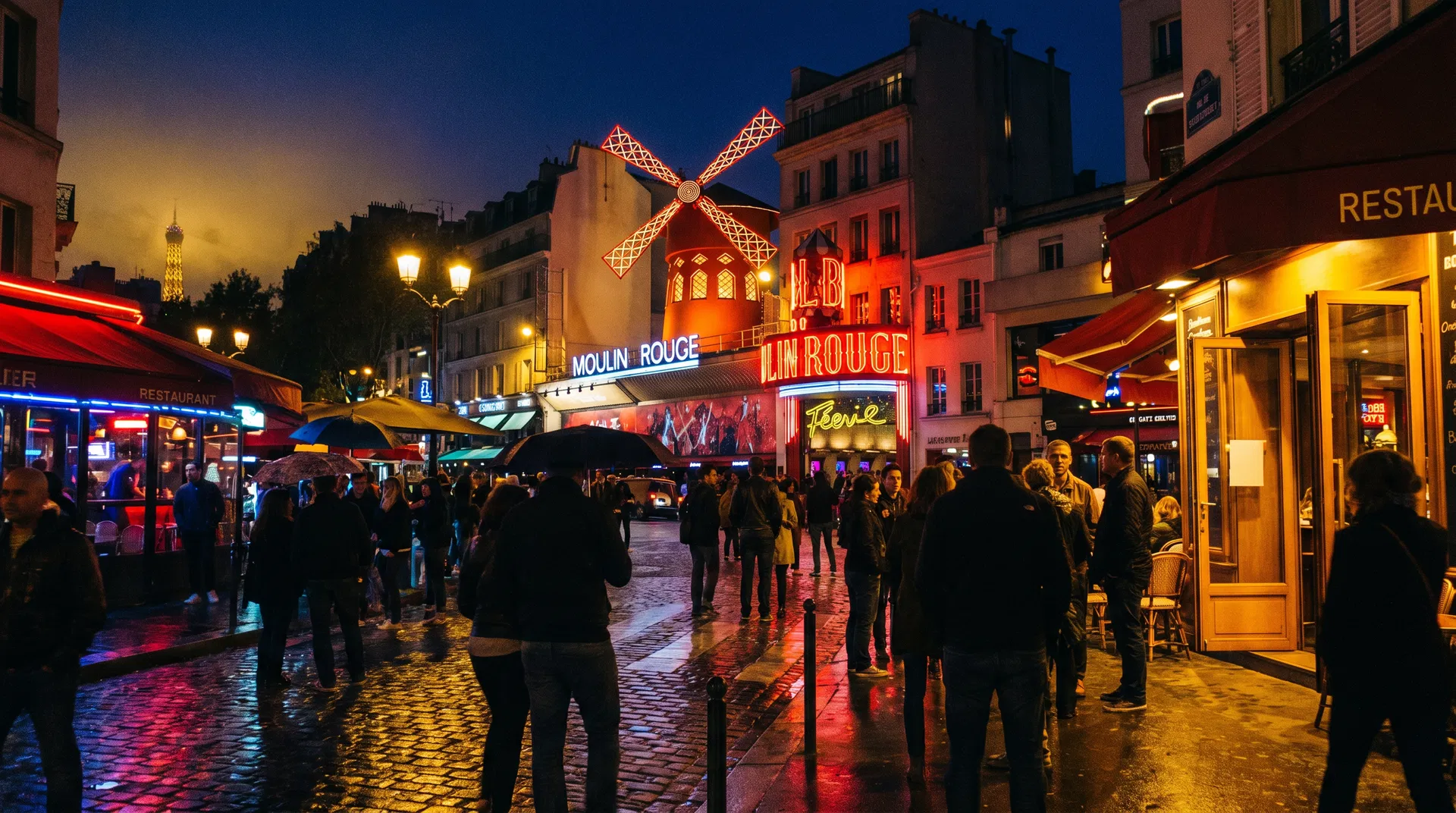
Moulin Rouge neon lights at night in Pigalle, Paris, with crowds on wet cobblestone streets
From Rex Club techno to Pigalle cocktail bars and Canal Saint-Martin canalside venues, the definitive guide to Paris after dark.

Maurício Amaro
April 17, 2026
Key Takeaways
- 1Rex Club is Paris's most legendary electronic venue, operating since the 1980s with a Funktion-One system and a legacy that includes Laurent Garnier and Daft Punk.
- 2Oberkampf (11th arrondissement) is the best neighbourhood for bar-hopping, with Rue Oberkampf offering wall-to-wall bars from craft beer pubs to DJ-led cocktail lounges.
- 3Pigalle (SoPi) has transformed from a red-light district into one of Paris's most exciting cocktail bar zones, with venues like Dirty Dick and Lulu White leading the scene.
- 4Le Marais is the heart of LGBTQ+ nightlife and speakeasy culture, with Candelaria and Experimental Cocktail Club among the city's best cocktail destinations.
- 5Canal Saint-Martin and Point Ephémère offer a more relaxed, arts-focused nightlife experience with canalside bars and multidisciplinary cultural programming.
- 6Paris nightlife starts late: clubs do not fill up until 1 AM, and the best atmosphere runs from 1 to 5 AM. Arrive early and you will find an empty room.
Paris has always been a city of the night. From the Belle Époque cabarets of Montmartre to the existentialist jazz bars of Saint-Germain-des-Prés, the French capital has a centuries-long tradition of reinventing what a night out can look like. In 2026, that tradition continues in a city whose electronic music scene has quietly become one of Europe's most adventurous, whose cocktail bar culture rivals any city on earth, and whose neighbourhood-by-neighbourhood diversity means that every kind of night out is possible within a few metro stops.
What makes Paris different from Berlin or London is the refusal to specialise. This is not a city with one dominant nightlife identity. Instead, Paris offers a constellation of distinct scenes that coexist without hierarchy: the serious techno heads at Rex Club and Fvtvr; the cocktail obsessives at Little Red Door and Candelaria; the soulful house devotees at Djoon; the queer community at La Station; the bohemian canalside crowd at Point Ephémère. Understanding Paris nightlife means understanding its neighbourhoods, because each arrondissement has its own personality after dark.
Oberkampf and Bastille: Paris's Best Bar-Hopping Corridor
If you only have one night in Paris and want to experience the city's most accessible and energetic nightlife, head to Oberkampf. The 11th arrondissement is where Parisians go when they want a good time without overthinking it. Rue Oberkampf itself is essentially one long bar-hopping corridor, packed wall-to-wall with bars of every description: craft beer pubs, cocktail lounges, dive bars with sticky floors, and trendy spots with DJ sets that run until 5 AM. The energy is unapologetically social — large groups of friends, birthday celebrations, after-work drinks that turn into 3 AM adventures.
Badaboum is the neighbourhood's most credible club, a long-standing fixture that balances accessible bookings with serious underground programming. The compact main room has a powerful sound system, and the line-ups move fluidly between house, techno, and bass-driven sounds. La Flèche d'Or, housed in a former railway station, is one of the best live music venues in the city, with a programme that spans indie, electronic, and experimental. Nouveau Casino on Rue Oberkampf hosts some of the best mid-sized electronic events in Paris, with a capacity that feels intimate even for big names.
Pigalle (SoPi): Neon Lights and Cocktail Bars
South Pigalle, affectionately known as SoPi, has undergone one of the most dramatic transformations in Paris nightlife over the past decade. Once synonymous with the red-light district that gave it its reputation, the neighbourhood has reinvented itself as one of the city's most exciting cocktail bar zones. The streets around Rue Frochot and Rue Henry Monnier are lined with speakeasies, natural wine bars, and cocktail lounges that attract a fashionable, creative crowd.
Dirty Dick is the neighbourhood's most celebrated cocktail bar, a tropical-themed space that has been ranked among the world's best bars. Lulu White is a Prohibition-era absinthe bar with exceptional cocktails and a beautifully designed interior. Pigalle Country Club is a sports bar that doubles as a late-night party venue, with ping-pong tables and DJ sets that run until dawn. The Moulin Rouge, the iconic cabaret on Boulevard de Clichy, remains one of Paris's most spectacular shows — book well in advance for the dinner-and-show package.
Rex Club and the Electronic Music Legacy
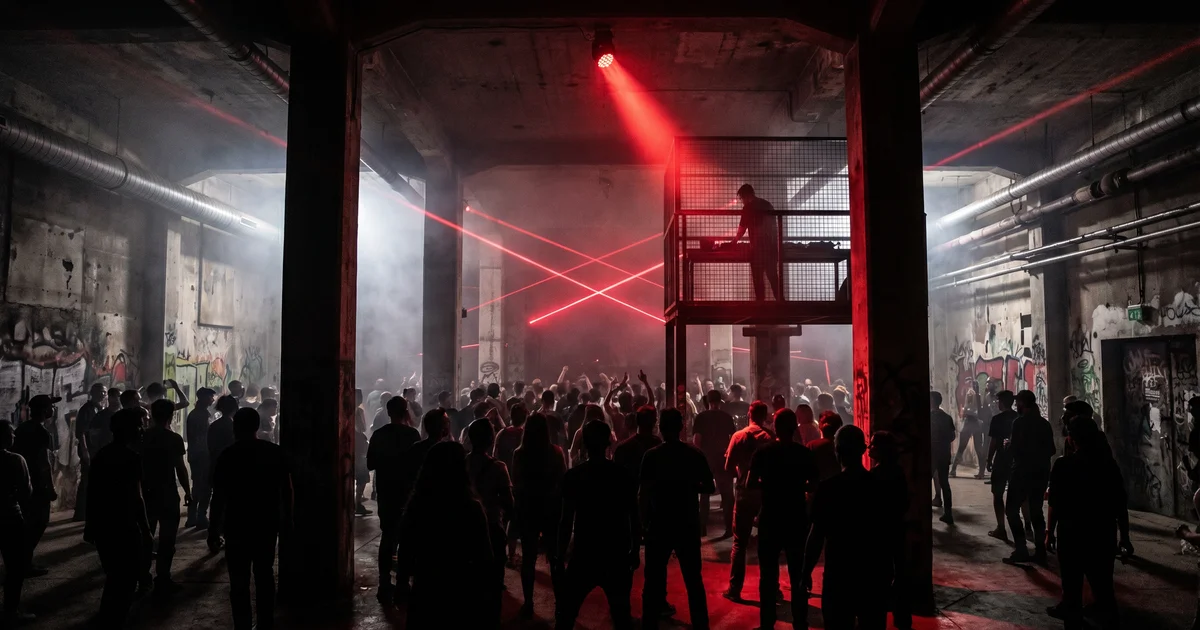
Few clubs in the world have the cultural weight of Rex Club. Operating since the 1980s in the 2nd arrondissement, Rex has played a central role in introducing electronic music to France, hosting everyone from Detroit techno pioneers to Laurent Garnier and Daft Punk in their early years. The room itself is dark, focused, and no-frills, with a Funktion-One sound system that keeps the emphasis firmly on the music. Rex does not do spectacle — it does sound, and it does it better than almost anywhere in Europe.
The wider Paris electronic scene in 2026 is anchored by a cluster of venues that each offer a distinct take on club culture. Fvtvr in the 5th arrondissement is the city's most reliable destination for high-impact techno, with major international names and a production setup built for intense late-night sessions. Essaim in the 10th is the most intimate and carefully curated, with a minimalist approach that prioritises sound quality and atmosphere over spectacle. La Station at Porte d'Aubervilliers is the most politically engaged, closely linked to queer and grassroots collectives with a programme that spans experimental, deconstructed club, and baile funk.
Le Marais: Speakeasies and LGBTQ+ Culture
Le Marais is the beating heart of cosmopolitan Paris nightlife. By day a maze of independent boutiques, art galleries, and falafel shops; by night one of the most diverse and exciting drinking neighbourhoods in the city. The energy is sophisticated yet approachable — natural wine bars packed with fashionable Parisians sit next to legendary LGBTQ+ venues that have been community staples for decades. The holy trinity of Le Marais nightlife streets is Rue des Archives, Rue Vieille du Temple, and Rue des Rosiers.
Candelaria is a taqueria by day and one of Paris's most beloved hidden cocktail bars by night — walk through the unmarked door at the back of the tiny restaurant and you will find a dimly lit, always-packed bar serving expertly crafted margaritas and inventive tequila-based cocktails. Experimental Cocktail Club, the group that launched Paris's modern cocktail revolution, has its Marais location on Rue Saint-Sauveur as a benchmark for sophisticated drinks and knowledgeable staff. For LGBTQ+ nightlife, Freddy's is the most welcoming and unpretentious option, with drag shows and themed nights throughout the week.
Canal Saint-Martin: Canalside Bars and Cultural Spaces
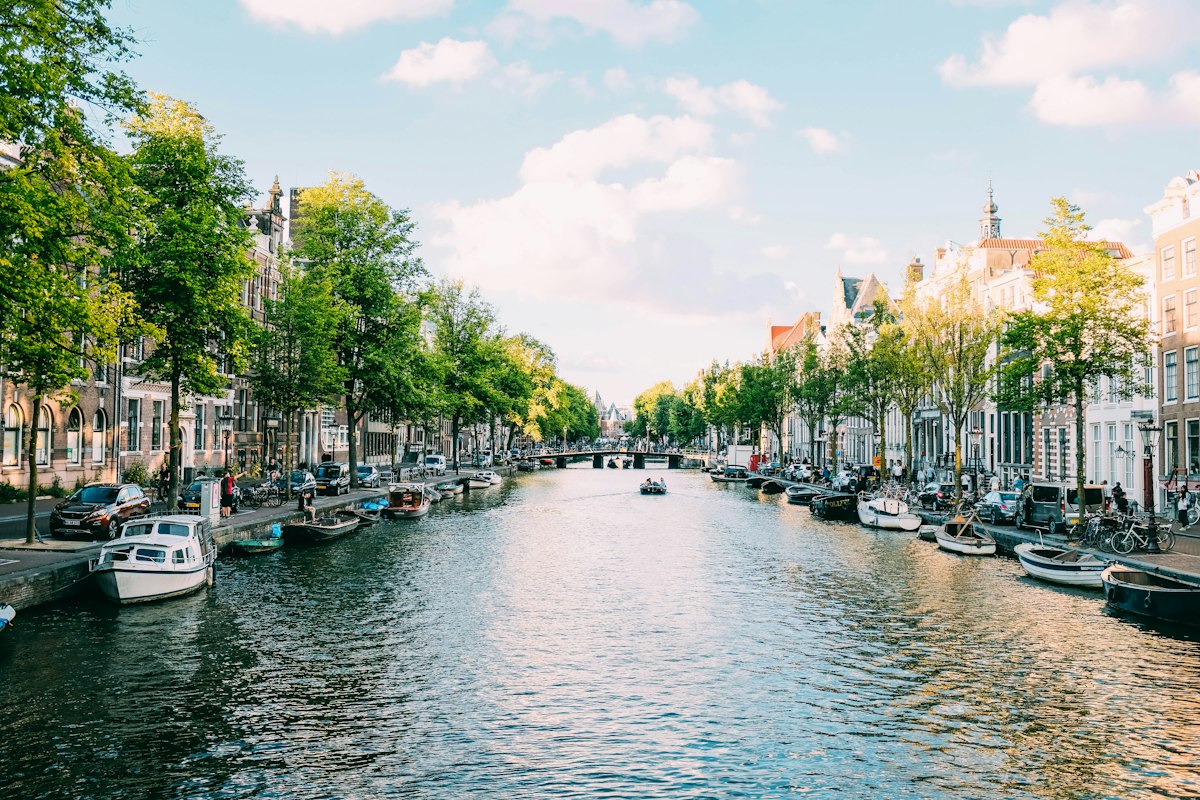
The Canal Saint-Martin neighbourhood in the 10th arrondissement offers a more relaxed and arts-focused alternative to the intensity of Oberkampf or the sophistication of Le Marais. The canalside itself is lined with bars and restaurants that spill onto the towpaths in summer, creating one of the most atmospheric outdoor drinking experiences in the city. Point Ephémère, a multidisciplinary cultural space by the canal, is more than just a club — its programme spans electronic club nights, live concerts, exhibitions, and workshops, with a relaxed bar and rooftop area that comes alive in summer.
La Java, tucked away near République, is a storied Paris venue that has found new life as a hub for contemporary club culture. Its intimate, low-ceilinged dance floor creates a high-pressure environment where sound and movement take centre stage, while programming moves fluidly between house, techno, and more playful, left-field club sounds. Le Verre Volé, technically just north of the Marais, is an essential natural wine bar with an outstanding food menu and a crowd that represents the best of Paris's food and wine world.
Djoon and the Soulful House Scene
Djoon in the 13th arrondissement is a cornerstone of Paris's soulful and house music community. Known for its warm atmosphere and loyal crowd, the club prioritises musical depth over hype, welcoming selectors who dig deep into disco, funk, and soulful house. The dance floor is intimate, the sound system is finely tuned, and the crowd is there for the long haul. Djoon represents a side of Paris nightlife that is often overlooked by visitors focused on techno — the city has a deep and genuine love for soulful, groove-driven music that stretches back to the disco era.
Nodd Club: Daytime Parties with a Skyline View
For something genuinely unique to Paris, Nodd Club in La Défense offers a very different take on clubbing. Located in the heart of the city's business district, it is best known for its daytime parties that run from afternoon into evening, with a terrace overlooking the Paris skyline. Line-ups focus on house and minimal, often featuring major names from the scene. If you want to dance in daylight with a panoramic view of one of the world's most beautiful cities, Nodd is unmatched anywhere in Europe.
Practical Guide: What to Know Before You Go
Paris nightlife starts very late. Bars fill up from 9 PM, but clubs do not fill up until 1 AM, and the best atmosphere runs from 1 to 5 AM. Arriving at a club before midnight will find you in an empty room. Club entry ranges from €10 to €25, with free entry before midnight at some venues. Drinks are moderately priced by European standards — a beer costs €5 to €8, a cocktail €12 to €18. The legal drinking age in France is 18. The Paris metro runs until approximately 1:15 AM on weekdays and 2:15 AM on weekends, with night buses (Noctilien) covering the gaps. Uber is reliable throughout the city for late-night travel.
Frequently Asked Questions
What is the best club in Paris?+
Rex Club is the most historically significant and consistently excellent club in Paris, with a Funktion-One sound system and a legacy stretching back to the 1980s. For contemporary techno, Fvtvr and Essaim are the most respected options. For a broader programme spanning house, techno, and experimental, La Station at Porte d'Aubervilliers is the most adventurous.
What is the best neighbourhood for nightlife in Paris?+
Oberkampf (11th arrondissement) is the best for bar-hopping, with Rue Oberkampf offering the widest variety of bars and the most accessible energy. Pigalle (SoPi) is the best for cocktail bars and speakeasies. Le Marais is the best for LGBTQ+ nightlife and sophisticated cocktail culture. Canal Saint-Martin is the best for a relaxed, arts-focused evening.
What time does nightlife start in Paris?+
Paris nightlife starts very late. Bars fill up from 9 PM, but clubs do not fill up until 1 AM. The best atmosphere in clubs runs from 1 to 5 AM. Arriving at a club before midnight will find you in an empty room. This is very different from cities like New York or Miami — patience is required.
Is Paris nightlife expensive?+
Paris nightlife is moderately priced by European standards. Club entry ranges from €10 to €25. A beer costs €5 to €8, a cocktail €12 to €18. Cocktail bars in Pigalle and Le Marais tend to be more expensive, while bars in Oberkampf are more affordable. Many clubs offer free entry before midnight.
What is the best cocktail bar in Paris?+
Little Red Door, consistently ranked among the World's 50 Best Bars, is the most acclaimed cocktail institution in Paris. Candelaria, the hidden bar behind a taqueria in Le Marais, is the most beloved. Dirty Dick in Pigalle is the most fun. Experimental Cocktail Club is the most sophisticated.
How do I get around Paris at night?+
The Paris metro runs until approximately 1:15 AM on weekdays and 2:15 AM on weekends, with night buses (Noctilien) covering the gaps. Uber is reliable throughout the city and is the recommended option for late-night travel after the metro closes. Avoid unlicensed taxis, especially around major tourist areas.
Things to do in Paris tonight
Bar crawls, club tours, skip-the-line entry & more · via GetYourGuide
Powered by GetYourGuide — affiliate link
Hotels in Paris
Compare hotels, apartments & guesthouses
Powered by Booking.com
About the Author
Maurício Amaro
Maurício Amaro has spent 15 years covering nightlife, electronic music, and urban culture across four continents. Equal parts music nerd, map obsessive, and night owl — with a soft spot for rooftop bars, obscure techno labels, and late-night tacos. Neurodivergent, proudly chaotic, and always at the back of the room near the speakers.
Sources and Further Reading
Explore More
Share this guide
Stay in the Loop
Get the best nightlife guides, city spotlights, and event picks delivered to your inbox. No spam, just vibes.
Find Parties Near You