Toronto Nightlife Guide 2026: Clubs, Hip-Hop Culture & the World's Most Diverse Party Scene
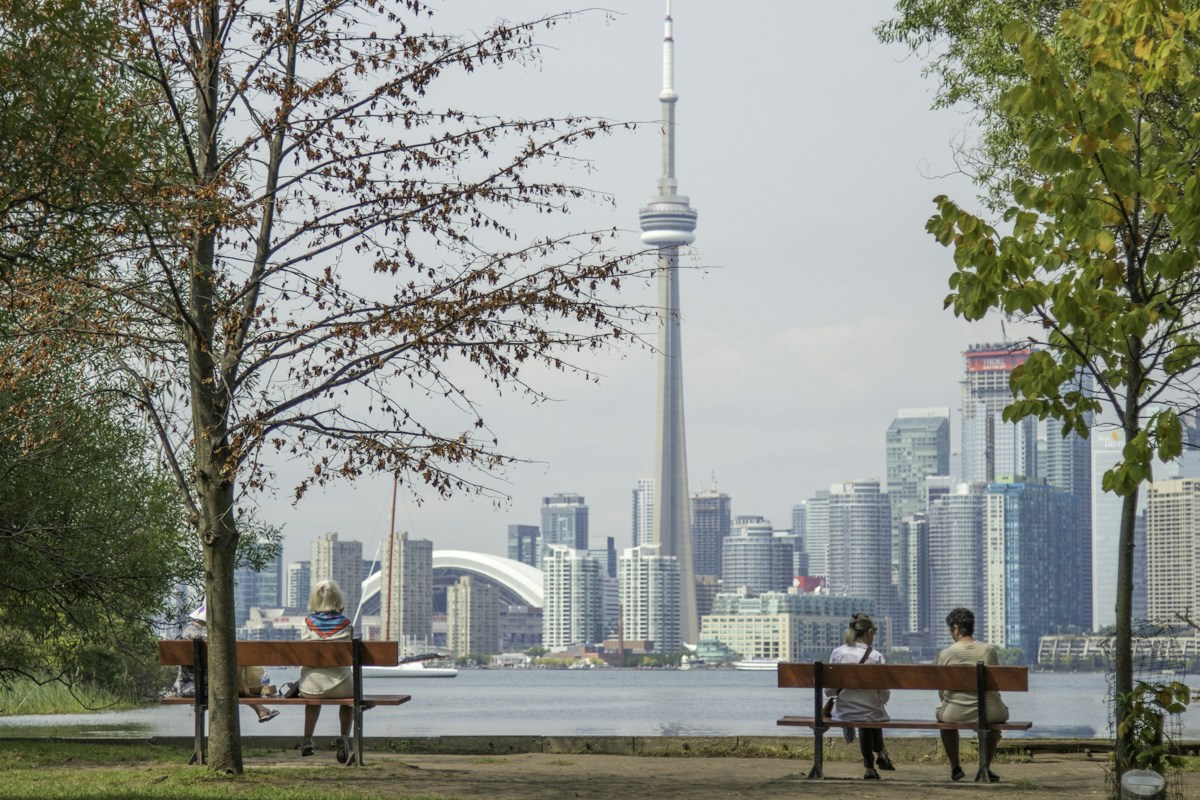
Packed dancefloor at a Toronto nightclub with laser lights and a skyline visible through floor-to-ceiling windows
Toronto is the world's most multicultural city and its nightlife proves it — Coda runs world-class techno under the Gardiner Expressway, Rebel hosts arena-scale shows on the waterfront, and the city's Afrobeats, Caribbean, and hip-hop scenes rival anything on the continent.

Marco Reyes
June 9, 2026
Key Takeaways
- 1Coda is Canada's best electronic music club — warehouse techno under a highway overpass.
- 2Toronto's hip-hop and Afrobeats scenes are among the most vibrant in North America, driven by the city's Caribbean and West African diaspora.
- 3The Entertainment District (King Street West) concentrates most major clubs.
- 4Ontario law allows bars to serve until 2 AM; clubs close by 3 AM.
- 5Toronto is genuinely the most diverse city in the world — every night out reflects that.
Toronto: The Most Diverse Nightlife City on Earth
More than half of Toronto's population was born outside Canada. That fact shapes every aspect of the city — its food, its culture, and most visibly, its nightlife. On any Friday night in Toronto, you can move from a Jamaican dancehall party to a Yoruba-language Afrobeats night to a warehouse techno session to a Filipino karaoke bar within the same square kilometre. No other city on earth has this density of cultural nightlife variety. The global streaming dominance of Toronto-born artists — from Drake to The Weeknd — has given the city's hip-hop scene an international profile it fully deserves.
Best Clubs in Toronto
- Coda (Brant Street) — Canada's most internationally respected electronic music club. Coda sits under the Gardiner Expressway with a concrete industrial aesthetic, a Funktion-One sound system, and programming that draws the world's best techno and house DJs. Essential for any serious club visitor to Toronto.
- Rebel (Queens Quay East, Waterfront) — Toronto's largest nightclub, with a 5,000-person capacity on the waterfront. Rebel programmes large-scale EDM, hip-hop, and Afrobeats events with production values that match the scale. The outdoor deck in summer is spectacular.
- Uniun (Peter Street, Entertainment District) — A reliably good mid-size club in the heart of Toronto's Entertainment District. Uniun programmes house, techno, and hip-hop nights across multiple rooms with strong production and a well-maintained space.
- Nest (Richmond Street West) — One of Toronto's best underground rooms, with a focus on UK garage, drum & bass, and hybrid electronic sounds. Smaller and more intimate than Coda, with a younger crowd and low door prices.
- EFS (Church Street) — A three-level Entertainment District club that programmes commercial hip-hop, R&B, and Caribbean music. EFS is one of the city's best venues for Afrobeats nights and dancehall.
Hip-Hop, Afrobeats & Caribbean Culture
Toronto's Black music scene is unrivalled in Canada and among the most important in North America. The city's Caribbean community — particularly the Jamaican, Trinidadian, and Barbadian diaspora — has made Toronto a global dancehall and soca hub. The annual Caribana Festival (Scotiabank Caribbean Carnival, late July–early August) is one of North America's largest street festivals, with parties, fêtes, and mas band events running for two weeks across the city. The West African diaspora has made Afrobeats and Afro-fusion central to Toronto's nightlife — nights at venues like Rebel and EFS fill to capacity with African-Canadian crowds celebrating music from Lagos, Accra, and Nairobi.
Neighbourhoods: King West, Kensington & Ossington
The Entertainment District on King Street West is where Toronto's mainstream nightlife concentrates — high-density clubs, sports bars, and bottle-service venues within walking distance of the Rogers Centre and Scotiabank Arena. For something more neighbourhood-flavoured, Ossington Avenue in West End is Toronto's best independent bar strip — craft cocktail bars, wine bars, and indie venues packed into a few walkable blocks. Kensington Market is more eclectic and countercultural — record stores, vintage shops, and bars that spill onto the street on warm nights. Yorkville is the upscale option, with rooftop bars and lounges for a dressed-up evening.
Pro Tip
Caribana week (last weekend of July) is when Toronto's party culture reaches its absolute peak. If you can only visit once, make it that weekend — the pre-parties, fêtes, and Scotiabank Caribbean Carnival parade are unlike anything else in North America.
Frequently Asked Questions
What is the best club in Toronto?+
Coda is the best for electronic music by a significant margin — it's internationally recognised and genuinely world-class. Rebel is the best for large-scale productions. For hip-hop and Afrobeats, EFS and Rebel both programme excellent nights.
What time do clubs close in Toronto?+
Ontario law allows alcohol service until 2 AM. Most clubs stop entry around 2 AM and close by 3 AM. There are no legal after-hours clubs in Toronto — the hard stop is strict.
Is Toronto expensive for nightlife?+
Toronto is comparable to other major Canadian cities — expensive by North American standards. Club entry runs CAD $20–$40. Cocktails CAD $14–$18. Beer CAD $8–$12. Budget CAD $80–$150 for a night out.
What is Toronto's best neighbourhood for going out?+
King Street West and the Entertainment District for clubs and mainstream nightlife. Ossington for independent bars with a local feel. Kensington Market for creative, countercultural nights. Each has a completely different character.
How does Toronto compare to Montreal for nightlife?+
Montreal wins on after-hours culture, affordability, and the underground electronic scene. Toronto wins on diversity, scale, and hip-hop/Afrobeats programming. Both are world-class nightlife cities — most Canadians visit both. Toronto is the bigger city; Montreal is the better party.
Things to do in Toronto tonight
Bar crawls, club tours, skip-the-line entry & more · via GetYourGuide
Powered by GetYourGuide — affiliate link
🎟️ Things to do in Toronto tonight
Bar crawls, night tours, skip-the-line entry & more · via Klook
Powered by Klook — affiliate link
Hotels in Toronto
Compare hotels, apartments & guesthouses
Powered by Booking.com
Sources and Further Reading
Explore More
Share this guide
Stay in the Loop
Get the best nightlife guides, city spotlights, and event picks delivered to your inbox. No spam, just vibes.
Find Parties Near You