Osaka Nightlife Guide 2026: Amerika-mura, Namba Clubs & the Best Bars in Kansai
Dotonbori canal at night with neon signs and the famous Glico running man billboard reflected in the water
Osaka's nightlife doesn't try to be Tokyo — it's louder, cheaper, and more fun. From the neon maze of Amerika-mura to the electronic clubs of Namba and the izakaya culture that defines drinking in Kansai, here's how to do Osaka after dark.

Marco Reyes
June 2, 2026
Key Takeaways
- 1Amerika-mura ('America Village') in Shinsaibashi is the epicentre of youth culture and street-level nightlife in Osaka.
- 2Circus Osaka is the city's premier electronic music venue, with a reputation that extends across Asia's club circuit.
- 3Last trains across the Osaka Metro run around midnight — missing them means paying for a taxi or a manga café until 5 AM.
- 4Izakaya culture is how most Osaka locals actually drink — group dining pubs with cheap beer, highballs, and food until 2 AM.
- 5Osaka nightlife is significantly cheaper than Tokyo — budget roughly ¥3,000–¥5,000 for entry and a few drinks at a club.
Osaka has a reputation in Japan — and among travellers who know the country well — as the city that parties harder and worries less. Where Tokyo's nightlife can feel like a status game played across three floors of a Roppongi building, Osaka's scene is more democratically chaotic: loud music leaking from basement clubs, salarymen and students sharing long tables at izakayas that stay open until 2 AM, and a general civic philosophy that pleasure is not something to be organised but something to be surrendered to.
The Kansai region — which includes Kyoto, Kobe, and Nara as well as Osaka — uses Osaka as its nightlife capital by default. Visitors based in Kyoto routinely take the 15-minute shinkansen ride down on Friday and Saturday evenings, treat Osaka as their party city, and return in the morning. It is a sensible arrangement.
Amerika-mura — The Neon Maze
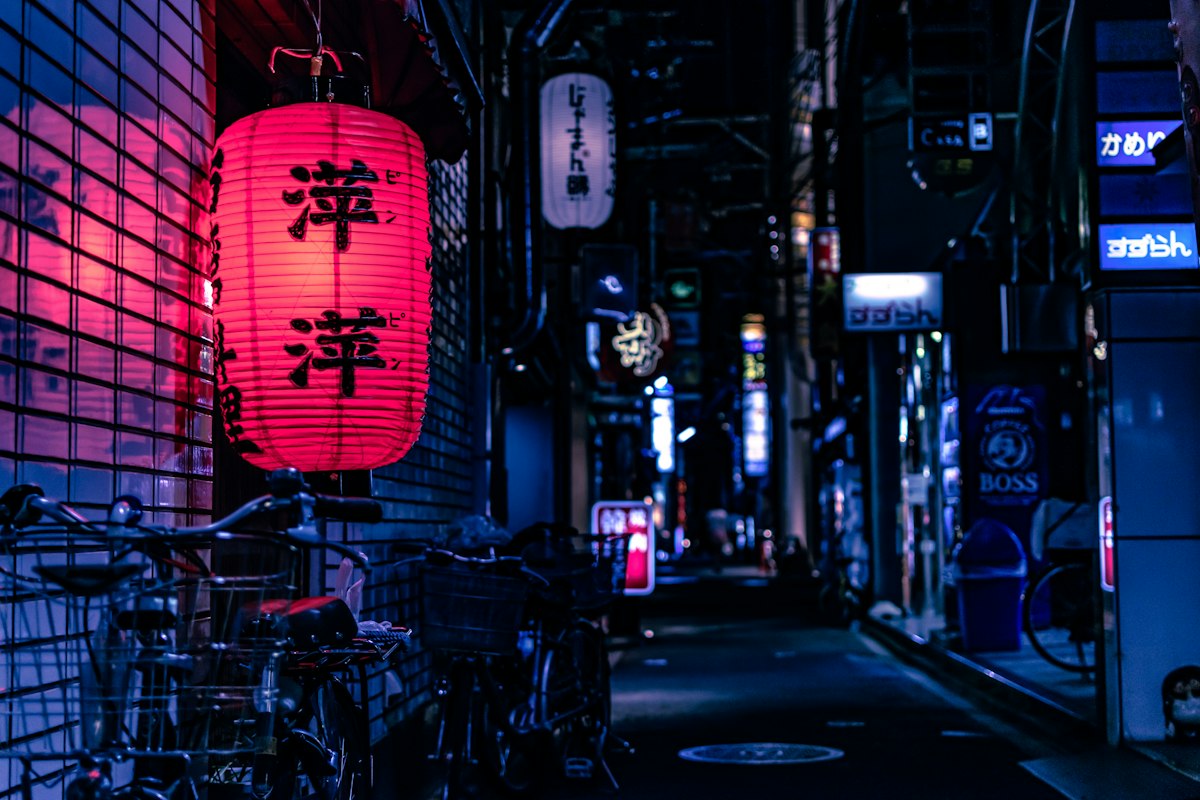
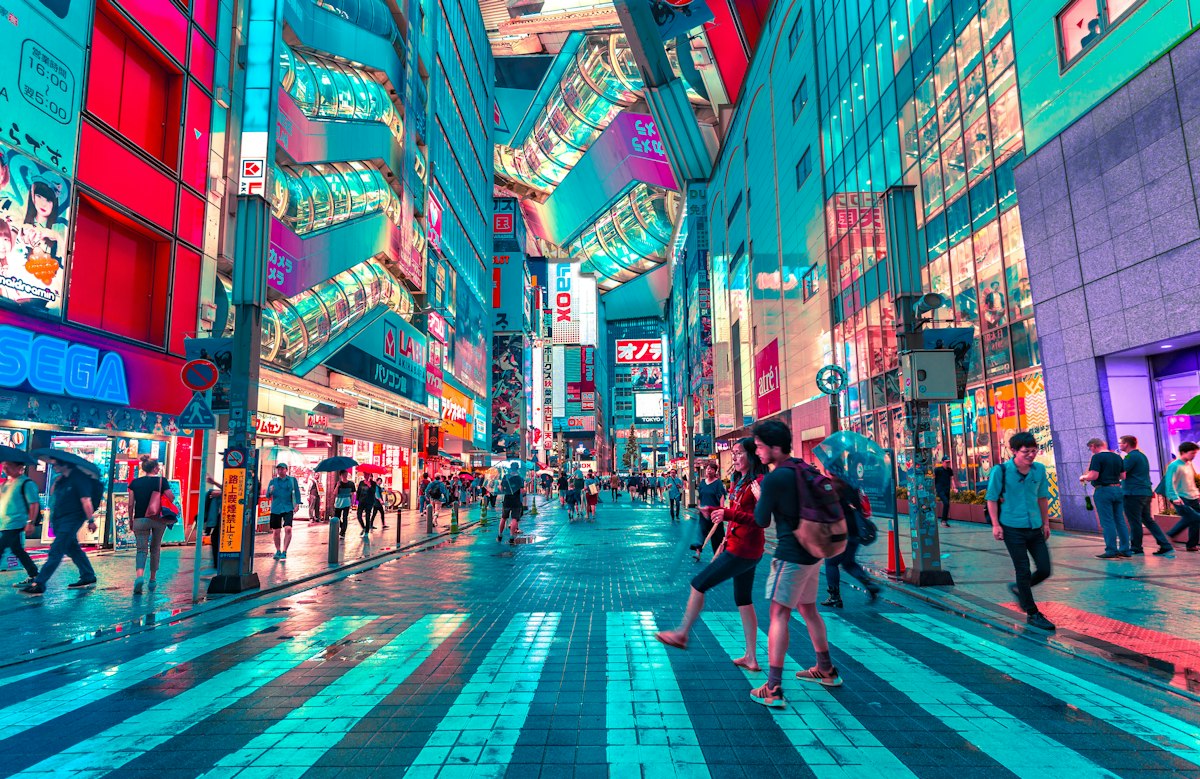
Amerika-mura (America Village), a compact grid of streets in Shinsaibashi, is where Osaka's youth culture concentrates. The name dates from the 1970s when secondhand American goods and fashion flooded the area's vintage shops. Today it is a dense mix of streetwear boutiques, tattoo parlours, record stores, and bars — all operating in buildings that seem deliberately constructed to be confusing. Triangle Park, the neighbourhood's small central square, functions as a social gathering point day and night.
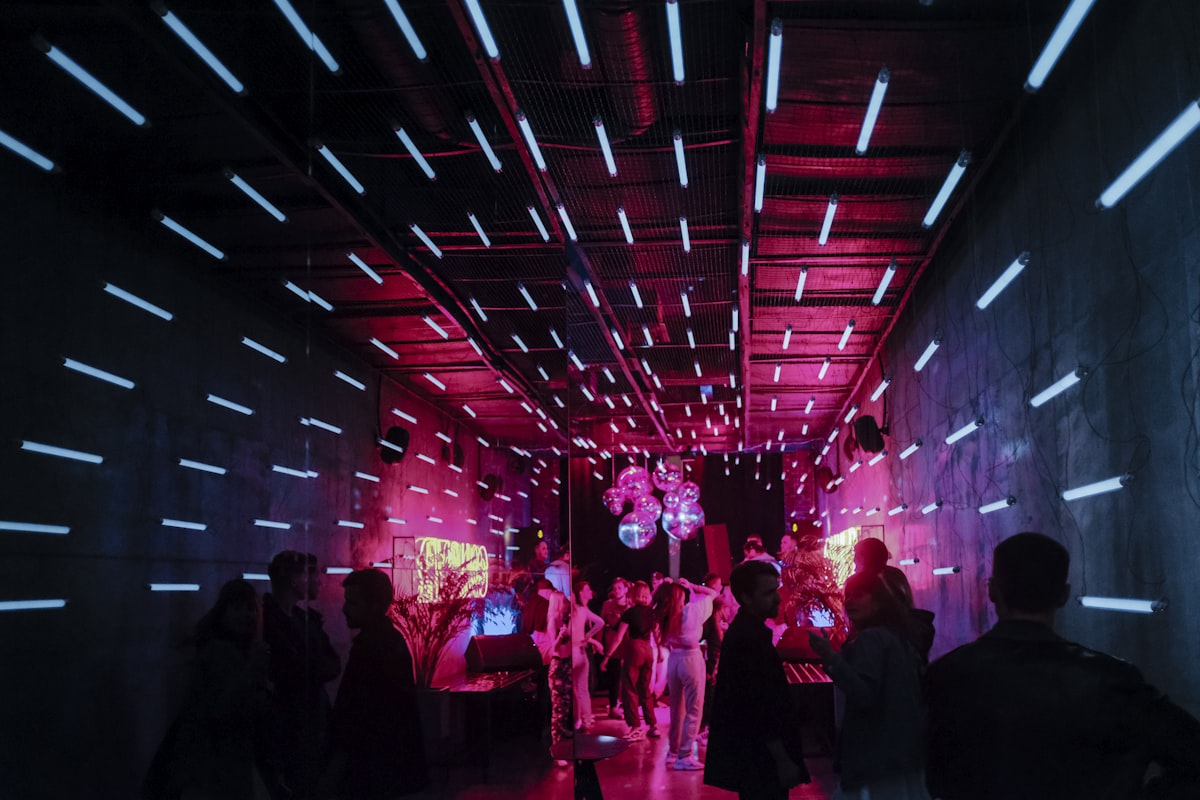
Bar density in Amerika-mura is extraordinary — dozens of small venues occupy single buildings across multiple floors. Circus Osaka, the neighbourhood's flagship electronic venue, occupies a basement-to-rooftop space and books DJs from Europe and the US alongside Japan's best domestic acts. The programming skews toward techno, house, and experimental electronic; the crowd is knowledgeable and enthusiastic in a way that Tokyo's more fashionable clubs sometimes aren't.
Amerika-mura Essentials
- Take exit 7 from Shinsaibashi Station (Midosuji Line) — you'll emerge at the edge of the neighbourhood
- Best nights are Friday and Saturday; Thursday attracts a younger pre-weekend crowd
- Most clubs open at 10 PM and peak between 1–3 AM; entry fees range ¥1,500–¥3,000
- Convenience stores (7-Eleven, FamilyMart) are open 24 hours and are essential for late-night snacks and ATM access
Dotonbori — Bar Strip & Tourist Energy
Dotonbori is Osaka's most famous street — the one with the glowing Glico running man billboard above the canal, the giant mechanical crab, and the endless stream of takoyaki stalls. It is also, genuinely, a great place to drink, provided you approach it with the right expectations. This is tourist-dense nightlife, which means prices are slightly higher than in residential neighbourhoods, but the energy is electric and the people-watching is unparalleled.
The bars lining the Dotonbori canal and the surrounding Namba streets range from standing-room-only izakayas to karaoke bars to foreigner-friendly sports pubs. For something more interesting than the strip's tourist traps, head one block north or south and you'll find local bars where the playlist shifts from J-pop to jazz.
Izakaya Culture vs Clubbing — How Osaka Really Drinks
Most Osaka residents do not go clubbing in the Western sense. They go to izakayas — group dining pubs where the drinking and eating are inseparable, where a table is booked for two to three hours (nomikai), and where the social rituals of Osaka life — loud conversation, competitive ordering, overly generous pouring — play out nightly. An izakaya evening is often more revealing of local culture than any nightclub.
The typical sequence: drinks start at 7–8 PM, the group orders round after round of beer, highballs (whisky and soda, extremely popular in Japan), and sake alongside an extensive food order. By 10 PM the izakaya may enforce a time limit and the group migrates to a second venue — a nomi-niji (second round) — which might be a karaoke box, a cocktail bar, or, for the younger crowd, a club in Amerika-mura.
Circus Osaka & the Electronic Music Scene
Osaka's electronic music scene is the best in Japan outside Tokyo, and arguably more interesting because it is less export-facing. Tokyo clubs sometimes feel like they are performing internationalism; Osaka's scene is simply doing what it does for the people who live here. Circus Osaka in Amerika-mura is the anchor venue — a multi-room club with consistently strong bookings and a loyal local crowd. Triangle and Onzieme operate in a similar zone but with different programming aesthetics.
Osaka vs Tokyo — An Honest Comparison
Tokyo's nightlife is larger, more varied, and more internationally connected — Womb in Shibuya, ageHa in Shin-Kiba, and the Roppongi hotel bars attract global talent and global prices. Osaka offers something different: a more communal, less status-conscious night out at a fraction of the cost. Drinks are cheaper, entry fees are lower, and the social energy is warmer. If you want spectacle, go to Tokyo. If you want to actually have fun, Osaka competes.
Practical Tips — Last Trains & Getting Around
Pro Tip
The Osaka Metro's last trains run around midnight on most lines. Missing the last train is a common, expensive mistake — a taxi across town can cost ¥3,000–¥6,000. Plan your exit or book a manga café (¥1,500–¥2,500 for an overnight stay) before you commit to the second club.
- IC cards (ICOCA or Suica) work on all Osaka Metro lines and buses — top up before going out
- Last Midosuji Line trains from Shinsaibashi leave around 12:30 AM; check the posted timetable at the station
- Taxis queue outside Namba Station after midnight; be prepared for a ¥2,000–¥5,000 fare depending on distance
- Manga cafés and capsule hotels near Namba absorb those who miss the last train
- Drinking on the street is legal in Japan and common around convenience stores late at night
FAQs
Frequently Asked Questions
What is Amerika-mura in Osaka?+
Amerika-mura ('America Village') is a compact neighbourhood in Shinsaibashi known for its concentration of bars, clubs, streetwear shops, and youth culture. It is the epicentre of Osaka's nightlife scene and home to Circus Osaka.
What is Circus Osaka?+
Circus Osaka is Osaka's most respected electronic music club, located in Amerika-mura. It runs multiple rooms across several floors and books a mix of international DJs and Japan's best domestic talent. Cover is typically ¥2,000–¥3,500.
How late does the Osaka Metro run?+
Most Osaka Metro lines run their last trains around midnight (approximately 12:00–12:30 AM). Check the exact last train time for your specific line and station before going out — missing it leaves you with taxis or an overnight stay.
Is Osaka nightlife cheaper than Tokyo?+
Yes, noticeably so. Club entry in Osaka averages ¥1,500–¥3,000 versus ¥2,000–¥4,000 or more in Tokyo. Drinks at izakayas — the local way to drink — are among the best value in Japan.
What is a nomikai and how does it work?+
A nomikai is a group drinking session, typically held at an izakaya. The group books a table for a fixed time (often 2 hours), orders a drink package (nomihodai — all-you-can-drink), and eats and drinks together. It is the dominant social drinking format in Japan.
Is it safe to be out late at night in Osaka?+
Osaka is extremely safe by international standards. Violent crime is rare; petty theft is uncommon. The main risks are the standard ones of any busy nightlife area — watch your drinks and your belongings on crowded streets. The Dotonbori area has a heavy police and security presence on weekend nights.
Things to do in Osaka tonight
Bar crawls, club tours, skip-the-line entry & more · via GetYourGuide
Powered by GetYourGuide — affiliate link
🎟️ Things to do in Osaka tonight
Bar crawls, night tours, skip-the-line entry & more · via Klook
Powered by Klook — affiliate link
Hotels in Osaka
Compare hotels, apartments & guesthouses
Powered by Booking.com
Sources and Further Reading
Explore More
Share this guide
Stay in the Loop
Get the best nightlife guides, city spotlights, and event picks delivered to your inbox. No spam, just vibes.
Find Parties Near You