Rio de Janeiro Nightlife Guide 2026: Samba, Clubs & Lapa
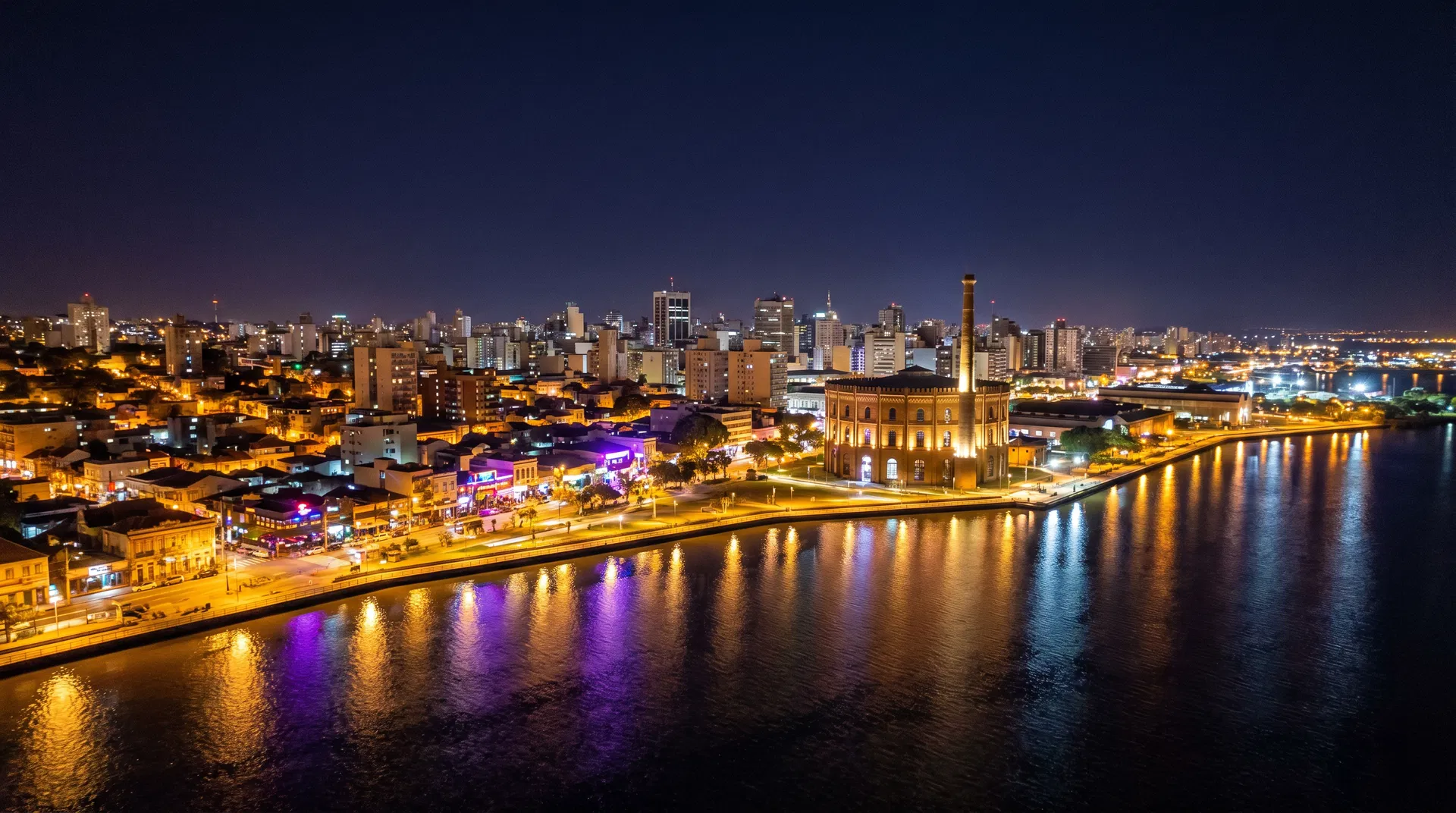
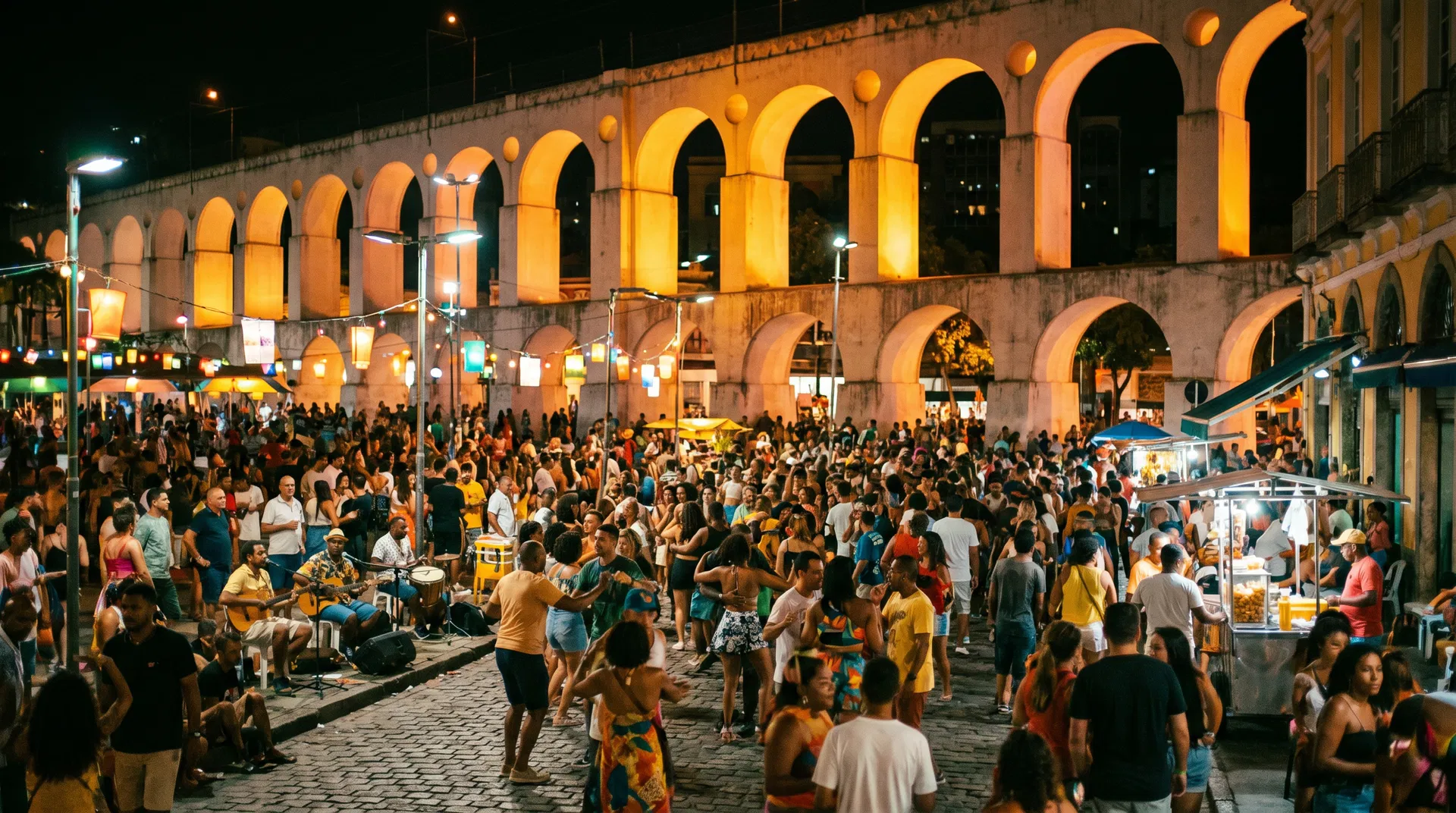
Lapa neighborhood at night with the Arcos da Carioca aqueduct illuminated and crowds dancing samba in the streets below
From Lapa's legendary samba houses to the underground clubs of Ipanema — the complete guide to going out in Rio.

Maurício Amaro
April 5, 2026
Key Takeaways
- 1Lapa is the heart of Rio's nightlife, with legendary samba houses and street parties.
- 2Rio Carnival in February or March is the greatest party on earth.
- 3Carioca da Gema is the most beloved and authentic samba house in Rio.
- 4Fosfobox in Ipanema is the best underground electronic music club.
- 5Use Uber rather than hailing taxis on the street for safety.
Rio de Janeiro has one of the most extraordinary nightlife cultures in the world. The city that invented samba, that gave the world Carnival, and that has been synonymous with celebration and joy for centuries offers a nightlife experience that is unlike anything else on the planet. From the legendary samba houses of Lapa to the underground electronic clubs of Ipanema, from the beachfront bars of Copacabana to the rooftop parties of Santa Teresa, Rio's nightlife is as diverse, as vibrant, and as unforgettable as the city itself.
This guide covers everything you need to know about going out in Rio de Janeiro in 2026: the best samba houses, the best clubs, the best neighbourhoods, and the practical information that will help you navigate the city's nightlife safely and confidently.
Lapa: The Heart of Rio's Nightlife
Lapa is the most important nightlife neighbourhood in Rio de Janeiro, a historic district beneath the famous arches of the Aqueduto da Carioca that has been the city's cultural heartland for over a century. On Friday and Saturday nights, Lapa transforms into one of the most extraordinary street parties in the world, with thousands of people filling the streets, samba music pouring from every bar and venue, and the energy of a city that knows how to celebrate. The neighbourhood is home to Carioca da Gema, Democráticos, Rio Scenarium, Lapa 40 Graus, and Circo Voador — collectively, the finest concentration of live music venues in Brazil.
Pro Tip
Arrive in Lapa between 9 and 10 PM on a Friday or Saturday to experience the neighbourhood at its best. The street party builds throughout the evening, peaking around midnight. Be aware of your surroundings and keep valuables secure — Lapa is vibrant but requires the same common-sense precautions as any busy urban nightlife area.
Samba: The Soul of Rio's Nightlife
Samba is not just music in Rio de Janeiro — it is a way of life, a cultural identity, and the heartbeat of the city's nightlife. The best samba experiences in Rio are found in the live music venues of Lapa, where the finest samba musicians in Brazil perform every night to audiences that know every lyric and every rhythm. Carioca da Gema is the most beloved samba house, a intimate venue where the music is authentic and the atmosphere is electric. Rio Scenarium is the most spectacular, a three-floor antique shop turned legendary music hall. Democráticos is the most historic, a ballroom that has been hosting samba since 1867.
The Best Clubs in Rio de Janeiro
Fosfobox: Underground Electronic in Ipanema
Fosfobox is Rio's most important underground electronic music club, a compact venue beneath the streets of Ipanema that has been at the heart of the city's techno and house scene since 2001. The venue's industrial aesthetic and powerful sound system create an atmosphere that is perfectly suited to its uncompromising programming. Fosfobox has hosted the world's finest electronic music artists and is a pilgrimage destination for serious electronic music fans visiting Rio.
Vivo Rio: The Premier Concert Venue
Vivo Rio is Rio de Janeiro's premier large concert venue, a 5,000-capacity space on the Flamengo waterfront that hosts the biggest international and Brazilian artists. The venue's state-of-the-art production facilities and prime waterfront location make it the go-to destination for major concert events in Rio. Vivo Rio has hosted artists from Madonna and Beyoncé to Ivete Sangalo and Anitta.
Carnival: The World's Greatest Party
Rio de Janeiro's Carnival is the greatest party on earth. Held in February or March each year, Carnival transforms the entire city into a non-stop celebration that lasts for five days and nights. The centrepiece is the Sambadrome parade, where the city's samba schools compete in an extraordinary display of music, dance, and spectacle that is broadcast around the world. But Carnival is also experienced in the blocos — street parties that take place throughout the city, from the famous Banda de Ipanema to the massive Cordão do Bola Preta in the city centre. If you can visit Rio during Carnival, it is an experience that will change your understanding of what a party can be.
The Best Neighbourhoods for Nightlife in Rio
Lapa: Samba and Street Parties
Lapa is the undisputed capital of Rio's nightlife, the neighbourhood where samba was born and where the city's musical soul lives. The neighbourhood is at its best on Friday and Saturday nights, when the streets fill with people and the music pours from every bar and venue.
Ipanema and Leblon: Upscale and Underground
Ipanema and Leblon are Rio's most fashionable neighbourhoods, home to the city's most upscale bars and restaurants as well as some of its most interesting underground clubs. Fosfobox in Ipanema and Melt in Leblon are both excellent destinations for serious electronic music fans.
Safety: What You Need to Know
Rio de Janeiro requires more caution than most nightlife cities. The city has significant inequality and crime, and tourists are sometimes targeted. The key rules are: stay in well-lit, busy areas; use Uber or official taxis rather than hailing cabs on the street; do not display expensive jewellery, cameras, or phones; and be aware of your surroundings at all times. Lapa is generally safe during the busy Friday and Saturday nights, but the surrounding streets can be less so. The beachfront neighbourhoods of Ipanema, Leblon, and Copacabana are the safest areas for nightlife.
Frequently Asked Questions
What is the best samba house in Rio de Janeiro?+
Carioca da Gema is the most beloved and authentic samba house. Rio Scenarium is the most spectacular. Democráticos is the most historic, having hosted samba since 1867.
Is Lapa safe at night?+
Lapa is generally safe during the busy Friday and Saturday nights, when thousands of people fill the streets. However, the surrounding streets can be less safe. Use common sense, stay in busy areas, and use Uber rather than hailing taxis on the street.
When is Rio Carnival?+
Rio Carnival takes place in February or March each year, in the days leading up to Ash Wednesday. The exact dates change each year. The Sambadrome parade is the centrepiece, but street parties (blocos) take place throughout the city.
What is the best neighbourhood for nightlife in Rio?+
Lapa is the most vibrant and authentic nightlife neighbourhood, with the best samba houses and street parties. Ipanema and Leblon are the safest and most upscale options.
What time does nightlife start in Rio?+
Rio's nightlife starts late. Bars fill up from 9 PM, samba houses are best from 9 to 11 PM, and clubs do not fill up until midnight or 1 AM. The best atmosphere in clubs is typically from 1 to 4 AM.
Things to do in Rio De Janeiro tonight
Bar crawls, club tours, skip-the-line entry & more · via GetYourGuide
Powered by GetYourGuide — affiliate link
🎟️ Things to do in Rio De Janeiro tonight
Bar crawls, night tours, skip-the-line entry & more · via Klook
Powered by Klook — affiliate link
Hotels in Rio De Janeiro
Compare hotels, apartments & guesthouses
Powered by Booking.com
About the Author
Maurício Amaro
Maurício Amaro has spent 15 years covering nightlife, electronic music, and urban culture across four continents. Equal parts music nerd, map obsessive, and night owl — with a soft spot for rooftop bars, obscure techno labels, and late-night tacos. Neurodivergent, proudly chaotic, and always at the back of the room near the speakers.
Sources and Further Reading
Explore More
Share this guide
Stay in the Loop
Get the best nightlife guides, city spotlights, and event picks delivered to your inbox. No spam, just vibes.
Find Parties Near You