São Paulo Nightlife Guide 2026
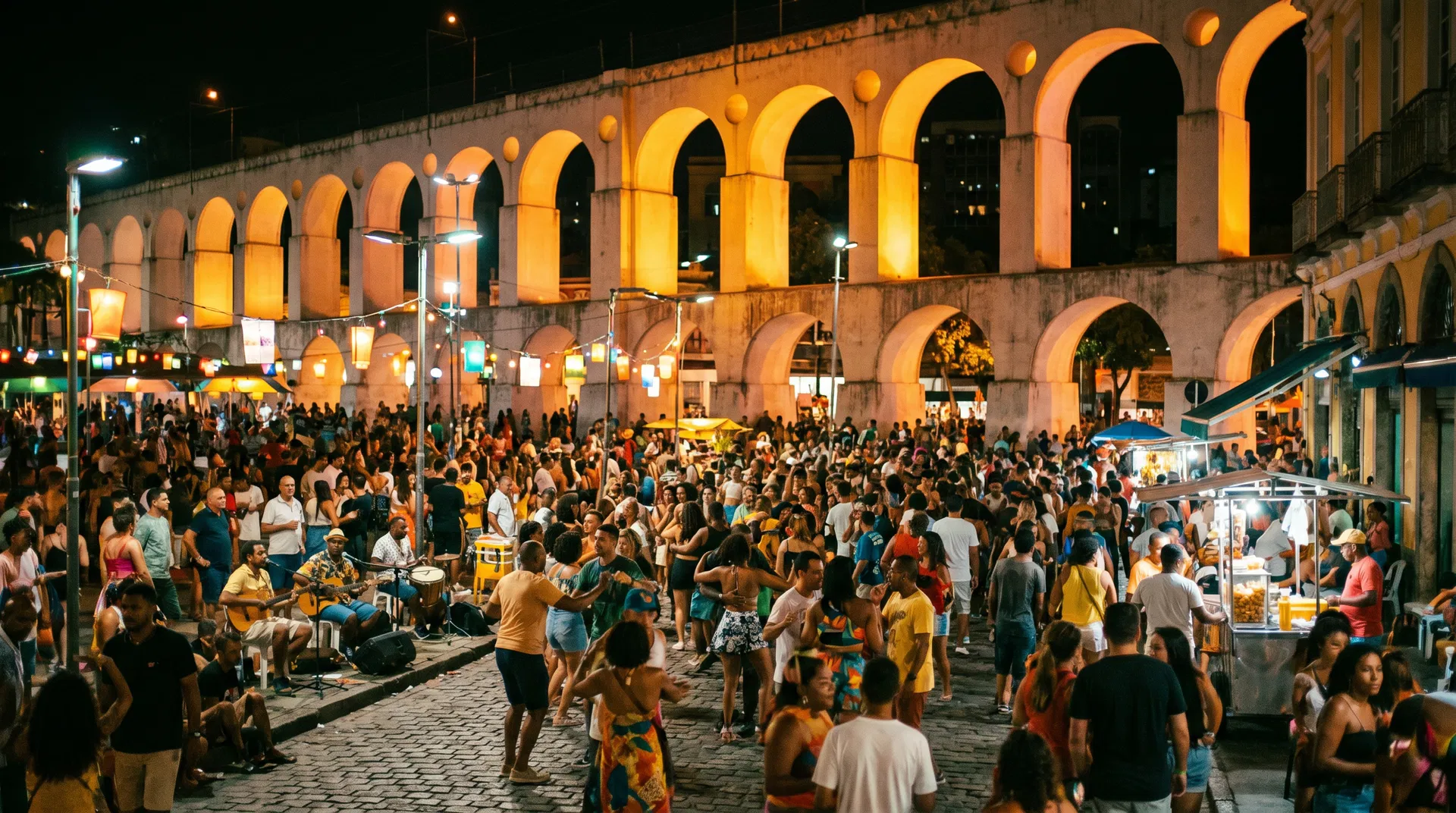
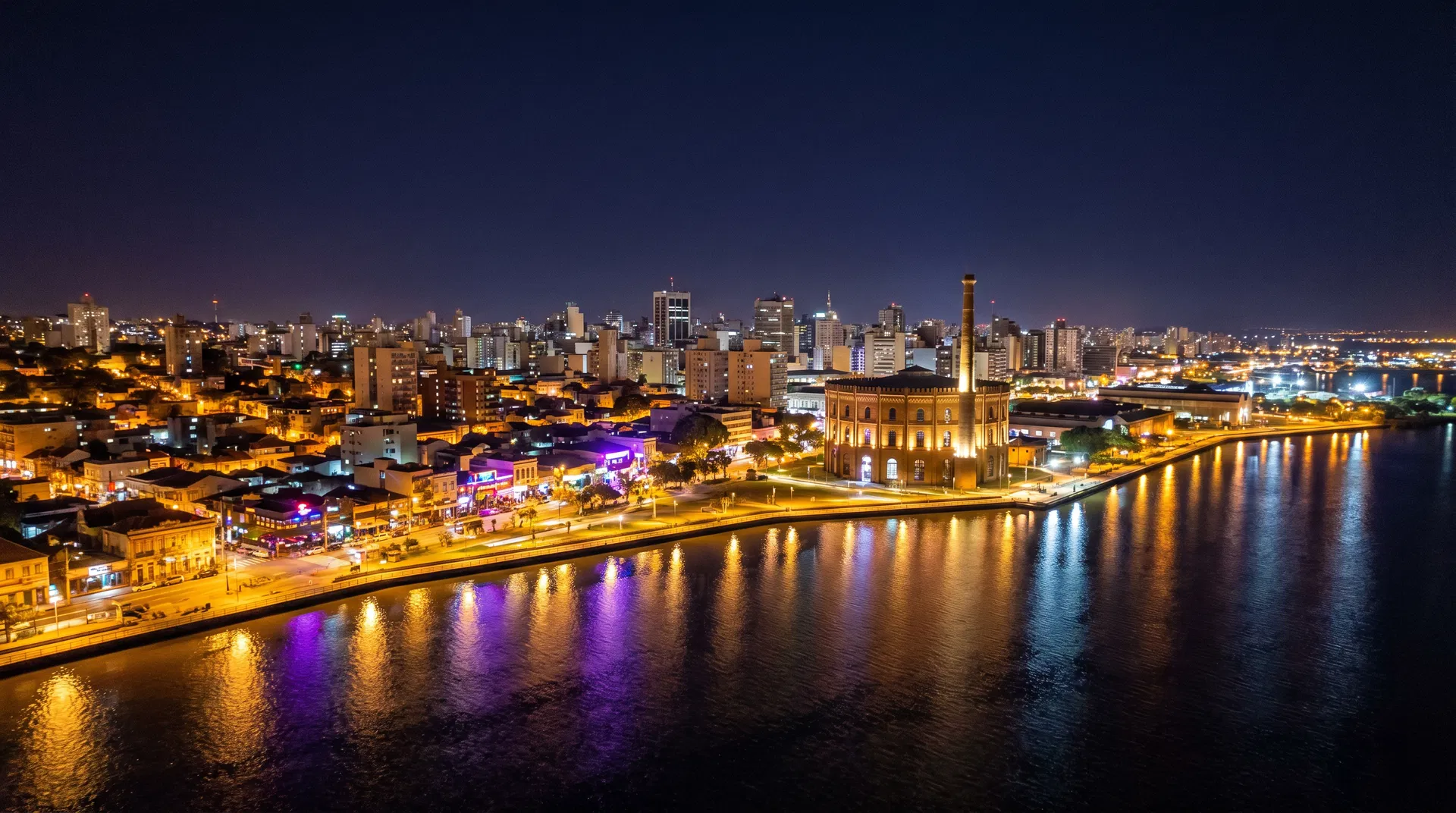
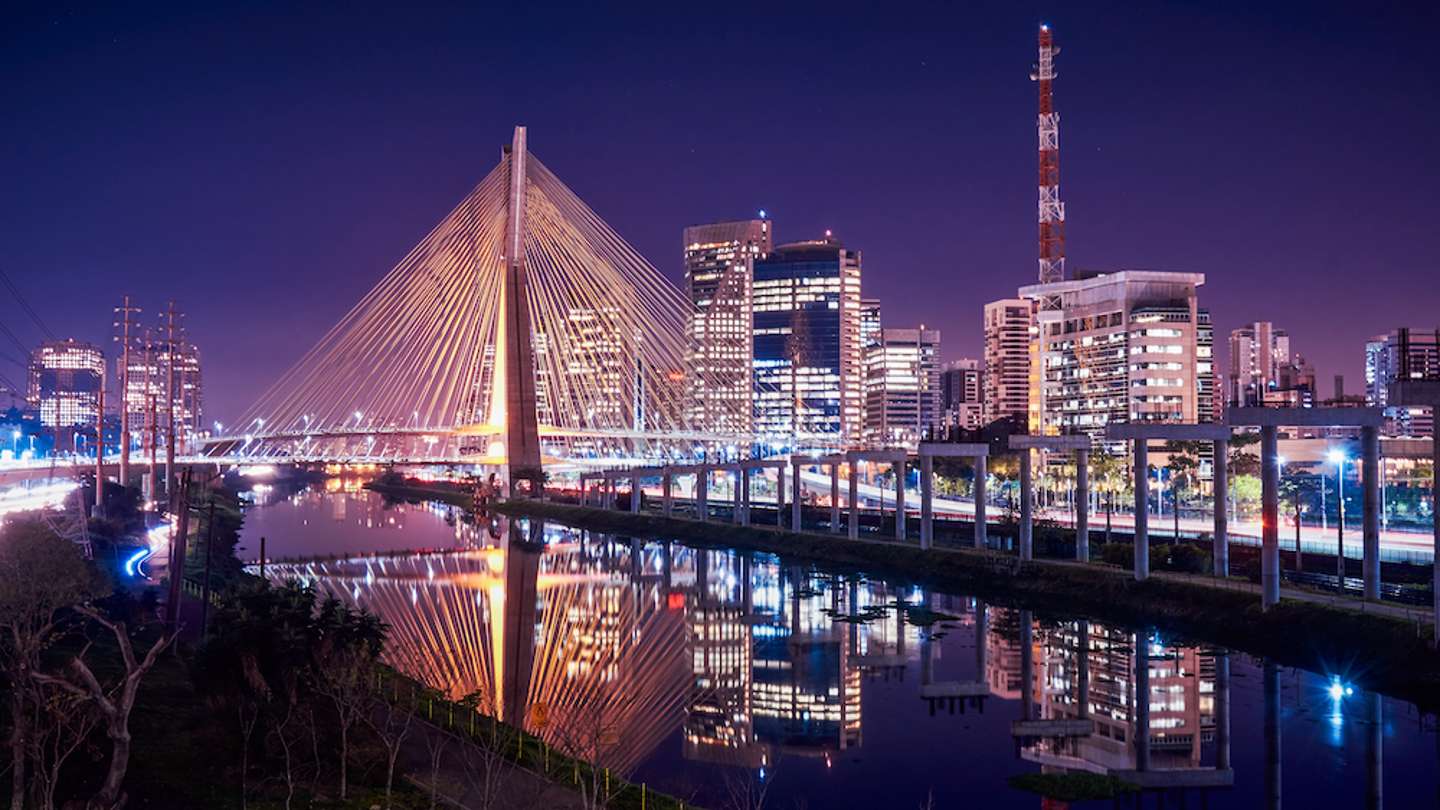
Vibrant nightlife street scene in Vila Madalena São Paulo with neon lights and crowds outside bars
Vila Madalena, Pinheiros, Itaim Bibi, and the clubs, bars, and underground parties that make SP the nightlife capital of South America.

Maurício Amaro
April 18, 2026
Key Takeaways
- 1São Paulo is the nightlife capital of South America — a city of 22 million that genuinely never sleeps, with a club scene that rivals Berlin and New York in depth and diversity.
- 2Vila Madalena and Pinheiros are the creative hubs: independent bars, live music venues, and underground parties concentrated in a walkable area.
- 3Itaim Bibi is the upscale district: polished clubs, high-end cocktail bars, and a dress-to-impress crowd.
- 4D-Edge is the most internationally recognised club in Brazil — a world-class electronic music venue with a Funktion-One system and bookings that match any European club.
- 5Forró, Baile Funk, and Pagode are essential to SP nightlife — do not leave without experiencing at least one night of Brazilian rhythm.
- 6São Paulo clubs run late even by South American standards: doors open at midnight, peak hours run from 2 to 6 AM, and many parties continue until noon the next day.
São Paulo does not have a beach. It does not have the postcard scenery of Rio or the colonial charm of Salvador. What it has, instead, is a relentless, all-consuming energy that manifests most powerfully after midnight. This is a city of 22 million people, a financial and cultural capital, and a place where the question is never whether there is something happening tonight — it is which of the fifty things happening tonight you choose. São Paulo's nightlife is the most diverse, most intense, and most genuinely world-class in South America, and in 2026 it is operating at the peak of its powers.
The scene here is layered in a way that takes time to understand. There is the electronic music world — D-Edge, Clash Club, and a constellation of underground parties that move between warehouses, rooftops, and repurposed industrial spaces. There is the live music world — samba, forró, pagode, MPB, and a thriving jazz scene. There is the bar culture of Vila Madalena and Pinheiros, where independent venues and street parties create a neighbourhood energy unlike anything else in South America. And underneath all of it, there is Baile Funk — the music that was born in the favelas and has conquered the world, still most powerfully experienced in SP.
D-Edge — The Club That Put Brazil on the Global Map
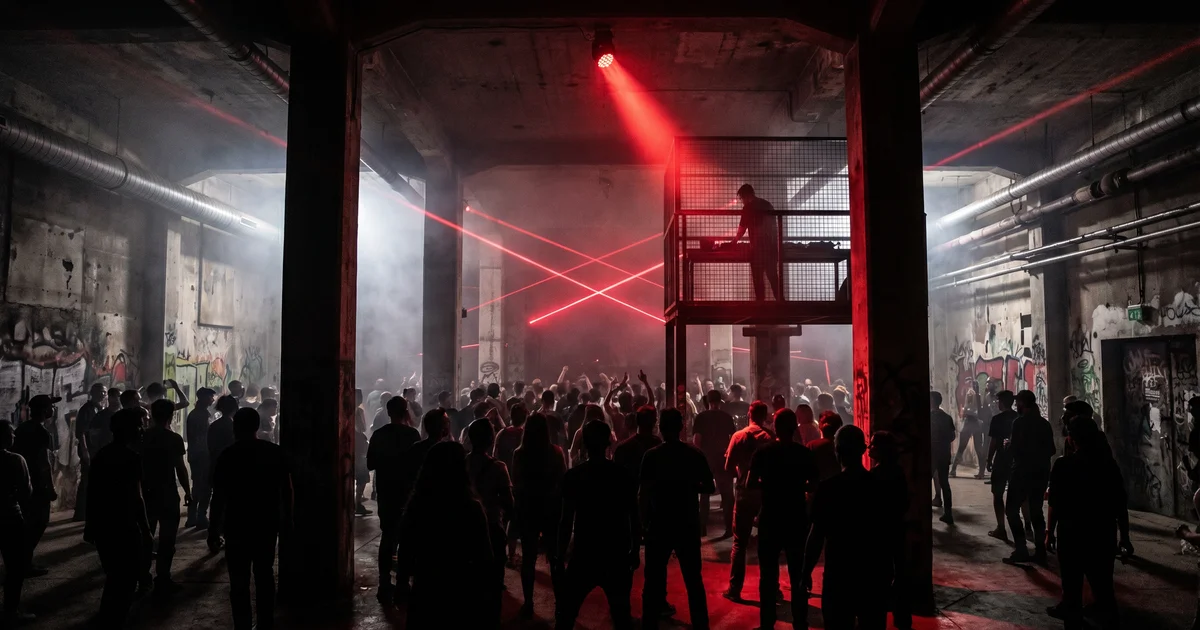
D-Edge in Barra Funda is the most internationally recognised club in Brazil and one of the best clubs in the world. It has been operating since 2000 and has maintained its position at the top of the Brazilian scene through a combination of exceptional sound — a Funktion-One system that is among the finest in South America — and a booking policy that brings the best electronic music artists in the world to São Paulo. Ricardo Villalobos, Nina Kraviz, Ben UFO, and virtually every major name in contemporary electronic music has played here.
The club has two rooms: the Main Room, which handles the big international bookings, and the smaller Lounge, which is used for more intimate and experimental programming. The crowd is knowledgeable and music-first, with a significant proportion of regulars who have been coming for years. D-Edge does not do spectacle for its own sake — the focus is always on the music and the sound system. If you are visiting São Paulo and you care about electronic music, D-Edge is non-negotiable.
Clash Club — Underground and Unapologetic
Clash Club in Pinheiros is the spiritual home of São Paulo's underground electronic scene. Smaller and more raw than D-Edge, it has built its reputation on booking artists before they become household names and maintaining a programming philosophy that prioritises musical integrity over commercial appeal. The sound system is excellent, the crowd is deeply engaged, and the atmosphere on a good night is as close to a Berlin underground club as you will find anywhere in South America.
Clash Club is particularly important for techno and experimental electronic music, with a strong connection to the local community of producers and DJs who form the backbone of SP's underground scene. The venue also hosts live electronic acts and hybrid performances that blur the line between club and concert. If D-Edge is São Paulo's answer to Fabric, Clash Club is its answer to Tresor.
Vila Madalena — The Creative Neighbourhood
Vila Madalena is the neighbourhood that defines São Paulo's creative nightlife. Concentrated around Rua Aspicuelta and the surrounding streets, it is a dense cluster of independent bars, live music venues, and street parties that creates a neighbourhood energy unlike anything else in the city. The famous Beco do Batman — a graffiti-covered alley that has become one of SP's most photographed spots — sits at the heart of the neighbourhood and is surrounded by bars that spill onto the street on weekend nights.
The bar culture here is genuinely excellent. Establishments like Bar Astor, Filial, and a rotating cast of independent venues serve craft cocktails and natural wine alongside live music that ranges from samba and MPB to jazz and indie. The neighbourhood is walkable, the atmosphere is relaxed and creative, and the crowd is a mix of artists, students, and professionals who come for the quality of the experience rather than the prestige of the venue. Vila Madalena is where São Paulo's nightlife feels most like itself.
Forró, Pagode, and Samba — The Brazilian Rhythms
Any guide to São Paulo nightlife that focuses exclusively on electronic music is missing half the picture. The city has a deep and thriving live music scene built around the rhythms that are uniquely Brazilian, and experiencing at least one night of forró, pagode, or samba is essential to understanding what SP nightlife actually is. Forró — the accordion-driven dance music from the Northeast — has a massive following in São Paulo, where millions of Nordestinos have brought their culture and their parties. The best forró nights happen at venues like Estação Forró and a network of neighbourhood bars that pack out every weekend.
Pagode — the more intimate, acoustic cousin of samba — is another essential experience. Venues like Seu Justino in Pinheiros and a network of neighbourhood bars host pagode nights that feel more like community gatherings than commercial events. The music is live, the atmosphere is warm, and the dancing is infectious. These are the nights that São Paulo's residents actually go to when they want to feel at home, and they are among the most genuinely joyful experiences the city's nightlife has to offer.
Baile Funk — The Sound of São Paulo
Baile Funk is the music that was born in the favelas of Rio de Janeiro and has become one of the most globally influential sounds of the 21st century. In São Paulo, it has taken on its own character — harder, more industrial, and more connected to the city's working-class periphery. The best Baile Funk parties in SP happen in the outer neighbourhoods and are not always easy to find for visitors, but the effort is worth it. The energy is unlike anything else in the world: a community-driven celebration of music, dance, and belonging that has no equivalent in European or North American club culture.
For visitors who want to experience Baile Funk safely, several venues in the city centre and inner suburbs host regular funk nights that maintain the energy of the original while being more accessible. Venues like Espaço Cia. Athletica and various pop-up events in Pinheiros and Vila Madalena host funk nights that attract a mixed crowd. The music is loud, the dancing is physical, and the atmosphere is electric. Do not leave São Paulo without experiencing it.
Itaim Bibi — Upscale Nightlife
Itaim Bibi is São Paulo's upscale nightlife district — the equivalent of London's Mayfair or New York's Meatpacking District. The clubs and bars here are polished, the dress code is enforced, and the crowd is a mix of wealthy Paulistanos and international visitors staying in the neighbourhood's luxury hotels. Venues like Balcão, Seen, and a rotating cast of high-end clubs offer a very different experience from the underground scene in Pinheiros — more commercial, more expensive, and more focused on the social experience than the music.
Itaim Bibi is not where the most interesting nightlife happens, but it is where some of the best cocktail bars in the city are located. The neighbourhood has a strong restaurant scene that transitions into late-night bar culture, and several venues offer rooftop terraces with views of the city's skyline. If you are in São Paulo on business and want a sophisticated night out without venturing too far from the business district, Itaim Bibi delivers.
Practical Information
São Paulo clubs operate on a schedule that makes even Buenos Aires look early. Doors open at midnight, the crowd arrives between 1 and 2 AM, and peak hours run from 2 to 6 AM. Many parties continue until noon or later. The city's metro system (Metrô) runs until midnight on weekdays and 1 AM on weekends — for late-night travel, Uber is reliable and affordable throughout the city. Entry to clubs ranges from R$50 to R$200 (approximately $10 to $40 USD), with drinks priced at R$20 to R$50 for cocktails. The legal drinking age in Brazil is 18, and ID is checked at the door of most venues. São Paulo is a large and complex city — use Uber rather than hailing taxis on the street, and be aware of your surroundings in unfamiliar neighbourhoods.
Frequently Asked Questions
What is the best club in São Paulo?+
D-Edge in Barra Funda is the most internationally recognised and consistently excellent club in São Paulo, with a Funktion-One sound system and bookings that match any European club. For underground electronic music, Clash Club in Pinheiros is the most respected option. For a broader nightlife experience, Vila Madalena offers the best concentration of bars, live music, and street parties.
What time do clubs open in São Paulo?+
São Paulo clubs open at midnight but do not fill up until 1 to 2 AM. Peak hours run from 2 to 6 AM, and many parties continue until noon or later. This is one of the latest club schedules in the world — plan accordingly and do not arrive before 1 AM.
What is Baile Funk and where can I experience it in São Paulo?+
Baile Funk is the electronic dance music genre that originated in Rio de Janeiro's favelas and has become one of the most globally influential sounds of the 21st century. In São Paulo, it has taken on a harder, more industrial character. Several venues in Pinheiros and Vila Madalena host regular funk nights that are accessible to visitors, while the most authentic experiences happen in the outer neighbourhoods.
Is São Paulo safe for nightlife?+
São Paulo is a large city with significant inequality, and standard urban safety precautions apply. Use Uber rather than hailing taxis, stay aware of your surroundings, and avoid displaying expensive items in unfamiliar areas. The main nightlife districts — Vila Madalena, Pinheiros, Itaim Bibi, and Barra Funda — are well-policed and generally safe for visitors. The city's nightlife community is welcoming and inclusive.
What is the best neighbourhood for nightlife in São Paulo?+
Vila Madalena and Pinheiros are the best neighbourhoods for a diverse, creative nightlife experience — independent bars, live music, and street parties in a walkable area. Itaim Bibi is the best option for upscale clubs and cocktail bars. Barra Funda is where the major electronic music clubs are located, including D-Edge.
Things to do in Sao Paulo tonight
Bar crawls, club tours, skip-the-line entry & more · via GetYourGuide
Powered by GetYourGuide — affiliate link
🎟️ Things to do in Sao Paulo tonight
Bar crawls, night tours, skip-the-line entry & more · via Klook
Powered by Klook — affiliate link
Hotels in Sao Paulo
Compare hotels, apartments & guesthouses
Powered by Booking.com
About the Author
Maurício Amaro
Maurício Amaro has spent 15 years covering nightlife, electronic music, and urban culture across four continents. Equal parts music nerd, map obsessive, and night owl — with a soft spot for rooftop bars, obscure techno labels, and late-night tacos. Neurodivergent, proudly chaotic, and always at the back of the room near the speakers.
Sources and Further Reading
Explore More
Share this guide
Stay in the Loop
Get the best nightlife guides, city spotlights, and event picks delivered to your inbox. No spam, just vibes.
Find Parties Near You